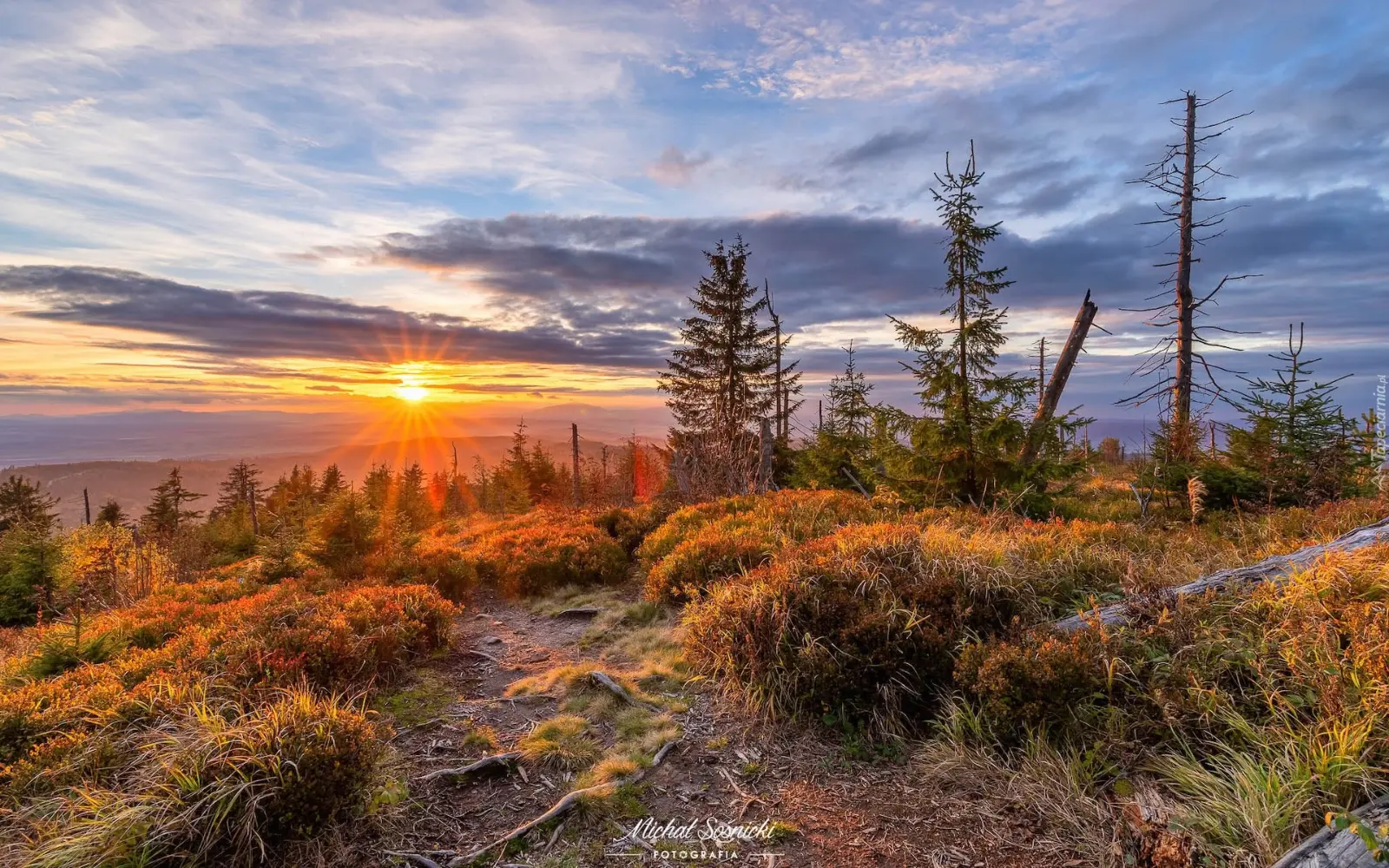
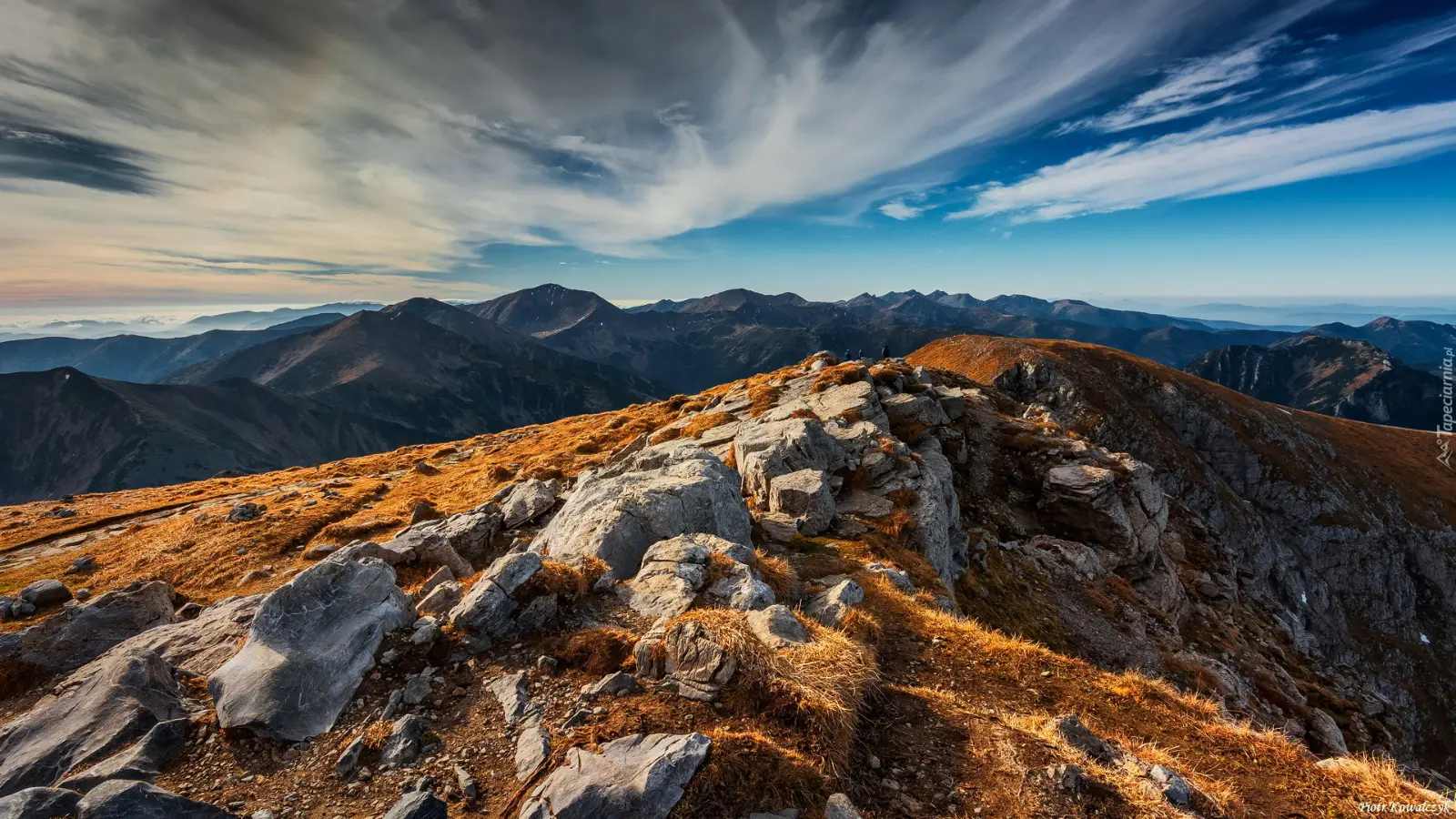
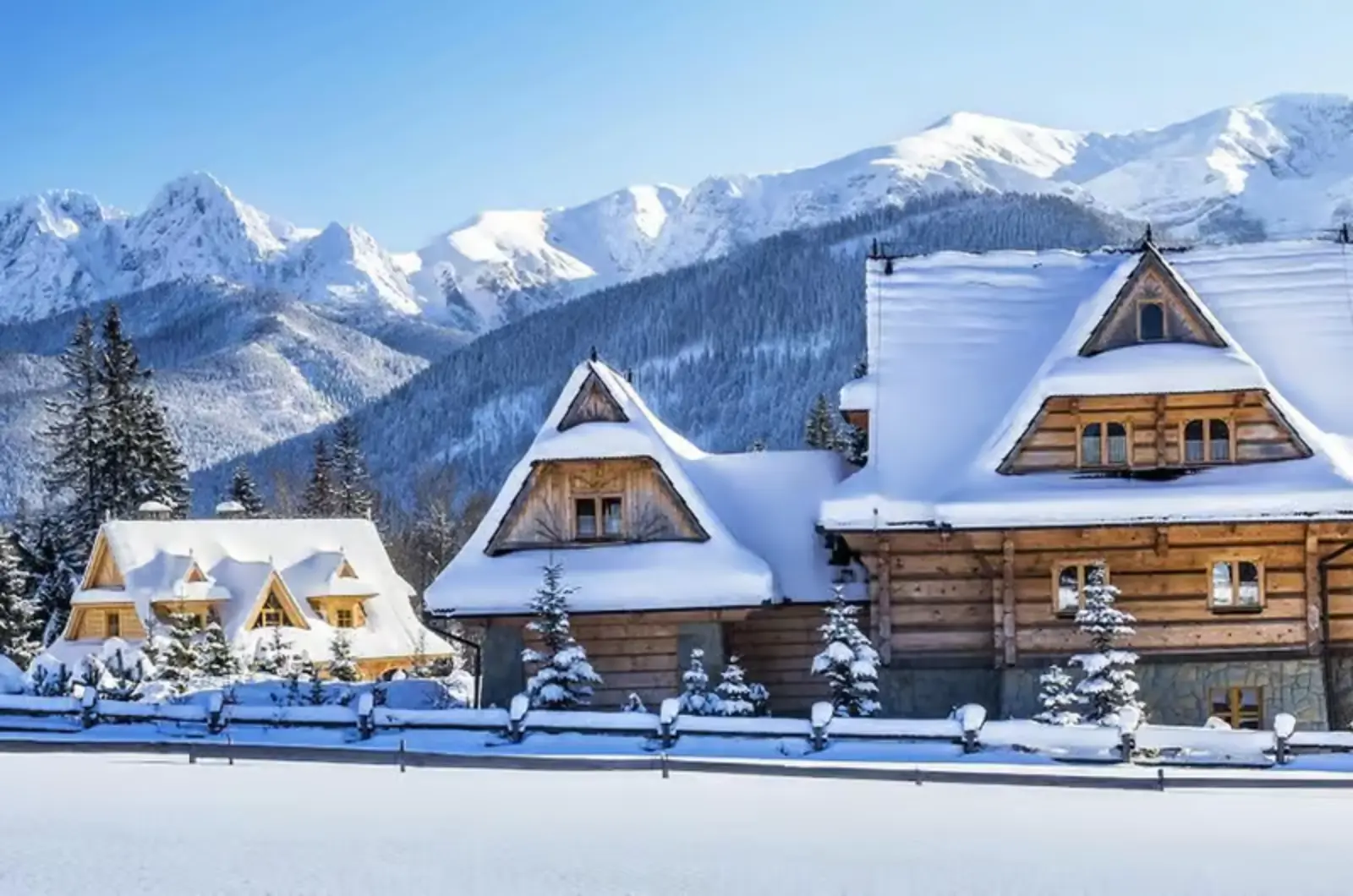
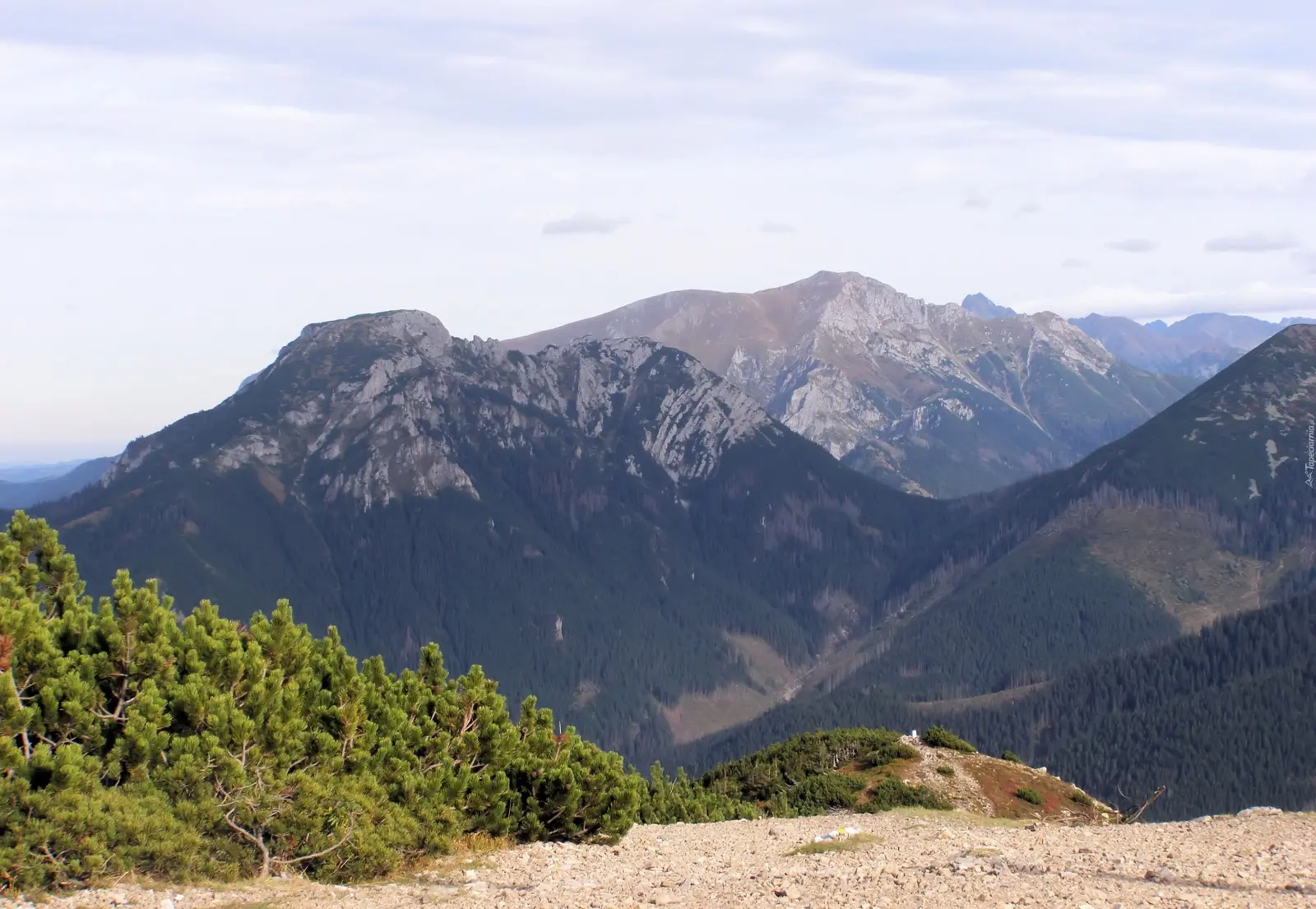
Dwarf pine, wooden architecture and views that soothe any hectic lifestyle. Slow travel through Zakopane — a town best known beyond its main promenade.
Why Zakopane, differently
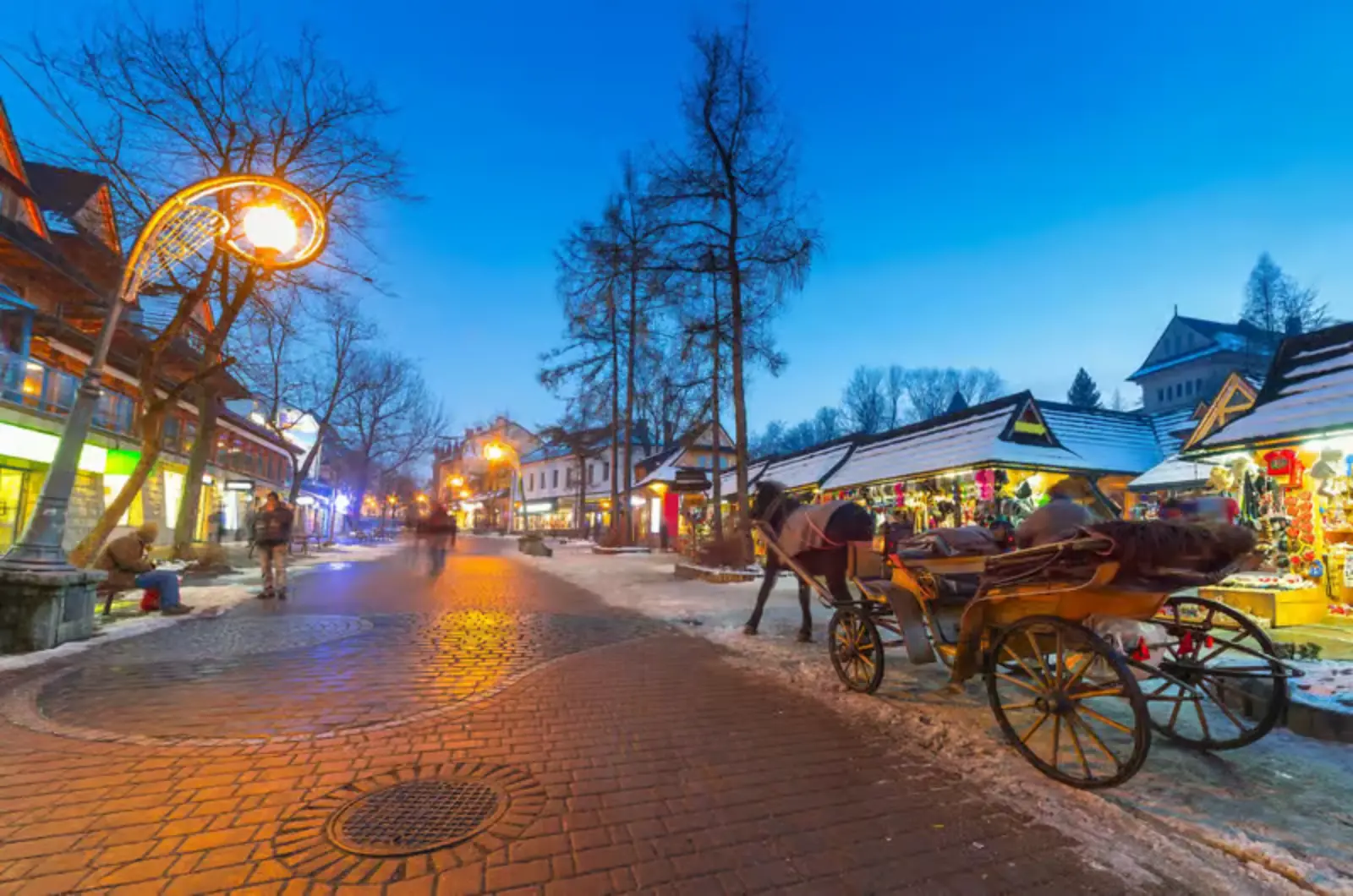
Zakopane has two faces. One is Krupówki — the main promenade, full of souvenir stalls, loud bars and tourists in flip-flops. The other is a town of highland culture: wooden villas in the Zakopane Style, the Pęksowy Brzyzek cemetery, the Tatra Museum, highlander bands and shepherd huts where oscypek truly tastes of the mountains.
Slow travel in Zakopane means deliberately choosing the second. Instead of fighting for a spot on Krupówki, step into the side streets — Kościeliska, Strążyska, Chramcówki. Instead of buying trinkets on the promenade, drive to Jaszczurówka and see the 1907 chapel designed by Stanisław Witkiewicz. Zakopane rewards those who stay longer than one day.
What to see
Zakopane is not a town to rush. You have to eat highland-style, sleep in a wooden guesthouse, go into the mountains — and also see the town itself.
In town
- Krupówki — Poland's most famous promenade. Walk it once to see the phenomenon, but the real Zakopane is right next to it: on Kościeliska street, Kasprusie, Skibówki.
- Pęksowy Brzyzek cemetery — one of the most beautiful in Poland. Buried here are people who shaped Zakopane, including Witkiewicz, Tetmajer, Chałubiński. Wooden graves in highland style — a must.
- Tatra Museum (main building) — the region's history, ethnography and art. Essential for understanding Podhale. A second branch — the Zakopane Style Museum at the Koliba villa — shows period interiors.
- Koliba and Atma villas — the two most important wooden buildings in the Zakopane Style. Atma was Karol Szymanowski's house, now a museum dedicated to the composer.
- Jaszczurówka Chapel — a wooden chapel from 1907, designed by Stanisław Witkiewicz. On the road to Morskie Oko — worth stopping on the way.
- Wielka Krokiew — the legendary ski jump. Ride up by chairlift and see the run-up close. World Cup events in winter, training jumps and Tatra views in summer.
- Gubałówka — cable car from central Zakopane. Views over the whole Tatras from the other side — panorama of Giewont, Czerwone Wierchy and Kasprowy. Less known: Butorowy Wierch, reached by a second cable car from Gubałówka.
- Antałówka and Koziniec — lesser-known viewpoints within the town. No queues, no crowds, and a perfect Tatra panorama — especially at sunset.
Mountain day trips
- Kościeliska Valley — one of the most beautiful valleys in the Polish Tatras. Entry from Kir (bus from Zakopane). Gentle route, good for a first day.
- Strążyska Valley — the shortest Tatra valley, entered directly from Zakopane. Leads under Giewont, to the Siklawica waterfall.
- Chochołowska Valley — the largest valley; crocuses bloom in April. Entry from Siwa Polana (bus from Zakopane).
- Morskie Oko — the most famous Tatra lake. Entry from Palenica Białczańska (bus from Zakopane, ~30 min). Asphalt route, ~9 km one way. Can also be reached by horse-drawn carriage.
- Kasprowy Wierch — cable car from Kuźnice. Online booking essential in season; tickets sell out days in advance.
Thermal baths and relaxation
- Termy Zakopiańskie — closest to the centre, geothermal pools with mountain views.
- Termy Bukovina — the largest in the region (~20 km from Zakopane), with numerous pools, saunas and slides.
- Termy Chochołów — smaller and more intimate, with Tatra views.
- Termy Szaflary — on the road from Zakopane to Kraków, often visited on the way back.
When to go
- May and June — the best time for the town itself. Fewer crowds than summer, green valleys, stable weather. Note: snow may still lie in the higher mountains.
- September and October — second best. Autumn colours, clear air, fewer people. First snows in the mountains usually arrive in the second half of October.
- July and August — peak season. Krupówki impossible to walk, car parks full, prices very high. If you must — pick a weekday.
- December and January — Christmas and ski holidays. Market on Krupówki, skiing, but highest prices of the year. Wielka Krokiew — Ski Jumping World Cup (usually January).
- February and March — end of the ski season. Snow still in the mountains, fewer crowds, lower prices.
Winter in Zakopane is a subject of its own — the town works mainly as a ski base (Kasprowy, Nosal, Harenda, Gubałówka), and Krupówki buzzes in the evening. If you dislike crowds and frost, choose May or September.
Getting there
- By car: ~2 hours from Kraków (S7 via Rabka), ~5–6 hours from Warsaw, ~4 hours from Wrocław. On weekends and in season, traffic jams on the Zakopianka (DK7) are the norm — leave very early or travel midweek.
- By train: direct connections from Kraków (~2.5 hours), Warsaw (~5 hours), Gdynia (~8 hours). Zakopane station is close to the centre (~10 min walk to Krupówki).
- By bus: Flixbus and Szwagropol from Kraków (~2 hours). From Zakopane bus station, minibuses leave for Kuźnice, Palenica Białczańska, Kir, Siwa Polana.
Within Zakopane, public transport is limited — most central sights are walkable. For further points (Kuźnice, Kir, Palenica Białczańska) minibuses run, but they are crowded in season.
How much time you need
A weekend (2 days) is the minimum — Krupówki, Gubałówka, Pęksowy Brzyzek and one day trip into a valley or the thermal baths.
Three to four days is realistic for a first visit. One day for the town, one for Kościeliska or Strążyska Valley, one for Kasprowy or Gubałówka, one for the thermal baths.
A week lets you truly know Zakopane — Tatra Museum, Koliba villa, Atma, all Tatra valleys from the Zakopane side, two or three visits to the thermal baths and several evenings in highland taverns.
What to eat and where to sleep
- Oscypek with cranberry — smoked sheep's milk cheese. Buy at shepherd huts on the trails or in certified shops. Avoid stalls on Krupówki with suspiciously cheap 'oscypek'.
- Kwaśnica — sour cabbage soup with meat, warming after a day in the mountains.
- Moskole — pancakes of flour and water, served with bryndza or crackling.
- Karpielówka and śliwowica — local liqueurs. Karpielówka (from horseradish root) and śliwowica łącka (from Łącko) are Podhale classics.
- Milk bar on Krupówki — if you must eat in the centre, milk bars are cheaper and better than tourist restaurants.
- Taverns outside the centre — on Chramcówki, Skibówki, in Kościelisko. Worth driving 5–10 minutes for good, inexpensive food.
Accommodation: Krupówki and the centre (convenient, but expensive and noisy), Kościelisko and Witów (quiet, near Kościeliska Valley), Murzasichle and Małe Ciche (small villages, guesthouses), Bukowina Tatrzańska (near the thermal baths). Zakopane also has many wooden guesthouses in the Zakopane Style — worth choosing for the atmosphere.
Practical tips
- Bookings — Kasprowy Wierch (cable car), Morskie Oko (parking, carriages), Termy Bukovina — essential in season. Book several days in advance.
- Car parks — Krupówki and Kuźnice are expensive and fill in the morning. Leave the car at the guesthouse and walk or take a minibus.
- Traffic jams — on weekends and in season, the Zakopianka is crowded along its entire length. Friday afternoon and Sunday evening are the worst. Leave early or travel midweek.
- Minibuses — to Kuźnice, Kir, Palenica Białczańska, Siwa Polana. Depart from the bus station and from Krupówki. Low prices, but queues in season.
- Weather — in the mountains, it changes very fast; even in July, snow can fall above 1,800 m. Rain jacket, hat and gloves — even in August.
- Krupówki — expensive and touristy, but worth seeing once. Do not judge all of Zakopane by it — the town is far more interesting off the promenade.
- Highlanders — Podhale culture is alive, but also commercialised. Watch a real highland band (e.g. at Karczma Karpielówka or Wierchowe restaurant) rather than staged 'regional dances' on Krupówki.