ARTICLE • October 6, 2026
Podhale Cuisine — Oscypek, Kwaśnica, and Bryjka
Podhale cuisine is the cuisine of shepherds — thick, hearty, based on milk, cheese, cabbage, and potatoes. Discover what is worth trying in the mountains — with specific shepherd huts, taverns, and prices.
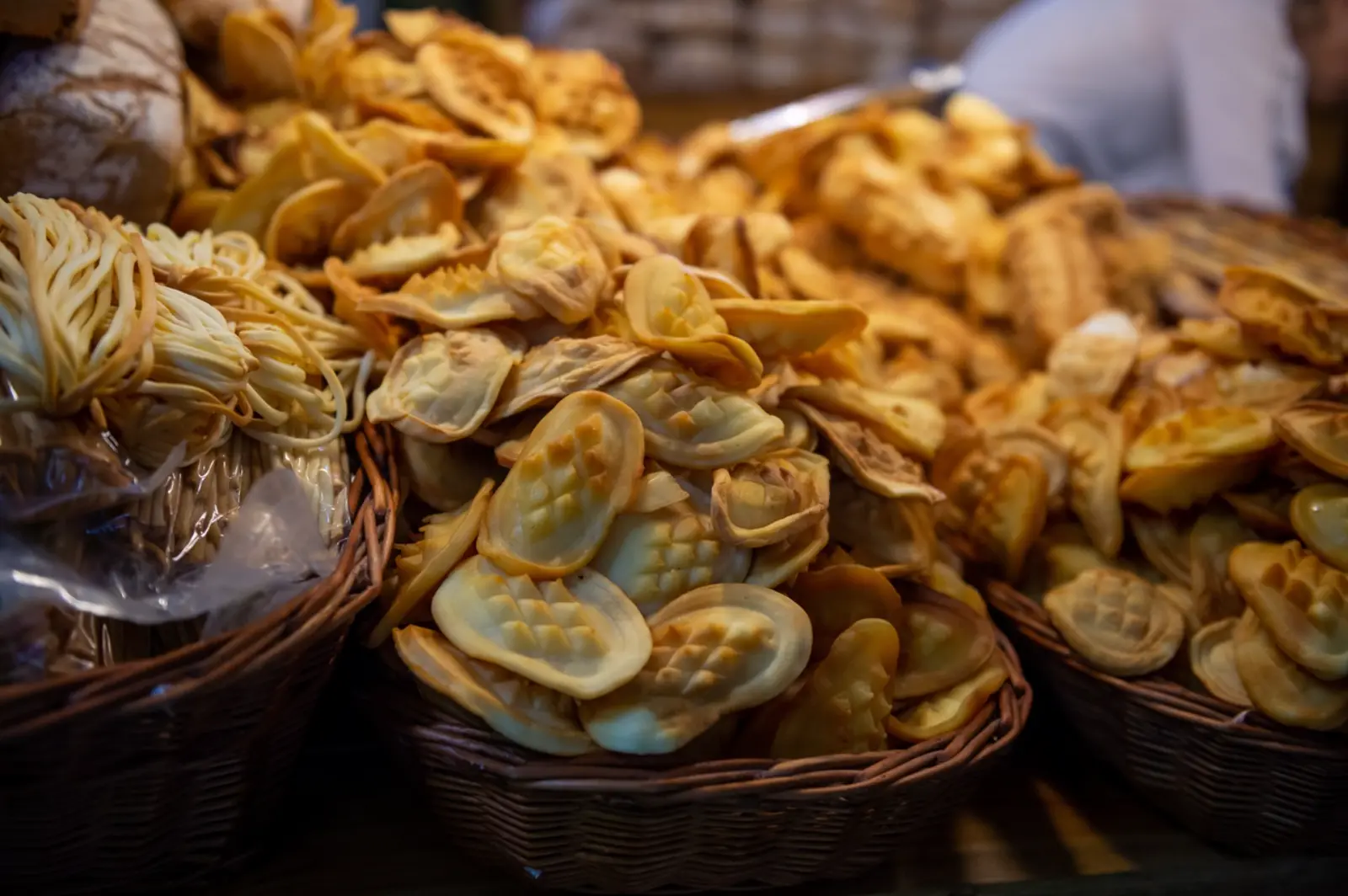
Podhale cuisine is the cuisine of mountain people — shepherds who for centuries grazed sheep on mountain meadows and lived on what the mountain gave them. That is why it is simple, thick, and hearty — based on milk, cheese, cabbage, potatoes, and meat. Podhale is a region where shepherding has a tradition dating back to the 14th century — the Vlachs, a nomadic pastoral people, brought sheep and cheeses here, and the local highlanders transformed this model into something of their own: a pastoral culture with its own music, costume, dialect, and — of course — cuisine. To this day, in the shepherd's huts on mountain meadows, shepherds (bacy) graze sheep from May to October and produce oscypki, bundz, and bryndza using methods passed from father to son.
This guide shows 6 dishes you must try in Podhale, and specific places — shepherd huts, taverns, and guesthouses — where you can eat them in an authentic, not touristy, version.
Shepherd Cheeses
1. Oscypek
Smoked sheep cheese — the icon of Podhale and one of the most recognizable dishes of highlander cuisine. Formed into characteristic spindles (two cones joined in the middle), with an embossed pattern on the surface — usually a rosette, heart, or highlander motif. Oscypek is made from sheep's milk, sometimes with the addition of cow's milk (up to 40%, according to EU specifications). Inscribed on the EU protected products list in 2007 — only cheeses produced in Podhale according to the traditional recipe can be sold as “oscypek”. Oscypek is salted in brine, formed in wooden moulds (“oscypiorze”), and smoked in juniper smoke for several days. It is served in several ways: grilled (with cranberry), cold-smoked (with mulled wine or beer), pan-fried with cranberry. The best is straight from the shepherd, in a shepherd's hut on the mountain meadow.
Price: 8–15 PLN per piece in a shepherd's hut, 15–25 PLN per 500 g in a shop, 20–35 PLN per portion in a tavern. Where: Shepherd's hut on Hala Gąsienicowa (Zakopane), Shepherd's hut on Rusinowa Polana (Bukowina Tatrzańska), Shepherd's hut Pod Turbaczem (Gorce), Shepherd's hut on Wielka Krokiew (Zakopane).
2. Bundz
Fresh sheep cheese, not smoked — unlike oscypek. Delicate, slightly sour, with a soft texture — it tastes like curd cheese but with a distinct, sheepy aftertaste. Bundz is made from sheep's milk heated to about 40°C, without rennet — which is why it is an “acid” cheese, not a “sweet” one. Perfect for sandwiches with horseradish or honey, and as an addition to pierogi and dumplings. It is served in shepherd's huts throughout the pastoral season (from May to October), and in regional shops in Podhale. Bryndza is also made from bundz — by fermentation and kneading in wooden barrels.
Price: 25–40 PLN per 500 g in a shepherd's hut, 35–50 PLN per 500 g in a shop. Where: Shepherd's hut on Hala Gąsienicowa, Shepherd's hut on Rusinowa Polana, Oscypki u Bacy (Zakopane, ul. Krupówki 4).
Soups and Pancakes
3. Kwaśnica
A highland soup based on sauerkraut with meat — usually ribs or bacon. It warms from the first sip. It is served with bread and potatoes. Perfect after a day in the mountains — especially on cold days. Kwaśnica is one of those dishes that in Podhale is eaten not only in restaurants but also at home — the recipe passed down from generation to generation differs in each village, but always contains: sauerkraut, ribs or bacon, onion, garlic, marjoram, and caraway. Some versions also add mushrooms or plums — to round out the flavour. Kwaśnica is the most “wintry” soup of Podhale — eaten from October to March, especially after returning from a trail.
Price: 15–25 PLN per bowl. Where: Karczma Zbójnicka (Zakopane, ul. Krupówki 22), Karczma Chochołowska (Zakopane, ul. Chochołowska 12), Karczma U Wnuka (Zakopane, ul. Kościeliska 8).
4. Moskole
Potato pancakes baked on a sheet (traditionally on the oven's baking sheet), often with flour and eggs. They are served for breakfast or as a side for soups. In the highlander version — with bryndza, lard, or sour cream. Moskole differ from ordinary potato pancakes in that they are baked, not fried — this makes them softer and less greasy. The dough is made from grated potatoes, flour, and eggs, formed into thick pancakes, and baked on a sheet or pan without fat. In Podhale, moskole are also served with żur or kwaśnica — then they replace bread. In shepherd's huts, moskole are baked on the spot, on a coal oven's sheet — then they are most authentic.
Price: 15–25 PLN per portion. Where: Karczma Zbójnicka (Zakopane), Karczma U Wnuka (Zakopane), Shepherd's hut on Hala Gąsienicowa.
5. Bryjka
A dish of corn flour, cooked in water or milk. It is served with cranberry, butter, or cracklings. In the traditional version — savoury, with bryndza. In the modern version — sweet, with fruit. Bryjka is one of those dishes that came to Podhale from Hungary (a similar dish — puliszka — is eaten in Hungary and Slovakia). In Podhale, bryjka has its own specificity: it is thicker and served with bryndza, butter, and cracklings — as a main course, not a dessert. In the sweet version, sugar, cinnamon, and fruit are added — then it becomes a dessert. Bryjka is cheap and filling — for centuries it was the basis of the diet of shepherds in the mountains; today it is one of the most recognizable dishes of Podhale cuisine.
Price: 15–25 PLN per portion. Where: Karczma Zbójnicka (Zakopane), Karczma Chochołowska (Zakopane), Restauracja Pod Gubałówką (Zakopane, ul. Krupówki 63).
Meat
6. Roast Lamb
A traditional Easter dish in Podhale. Lamb roasted with herbs, garlic, and marjoram, served with potatoes and cabbage. In the highlander version — with smoked lard and juniper, which give the meat a deep, smoky aroma. Lamb is a meat that in Podhale is eaten primarily at Easter — but also at other family celebrations, especially weddings and christenings. The meat is slowly roasted (4–6 hours) in an oven or on a grill until it becomes tender and aromatic. In the shepherd's version, lamb is roasted whole, over a fire, and served with boiled potatoes and sauerkraut. In the restaurant version — portioned, with juniper sauce and roasted potatoes.
Price: 60–100 PLN per portion in a tavern, 200–400 PLN for a whole lamb by order. Where: Karczma Zbójnicka (Zakopane), Karczma Chochołowska (Zakopane), Karczma U Wnuka (Zakopane), Restauracja Pod Gubałówką (Zakopane).
Where to Eat — Specific Places
Zakopane and surroundings:
- Karczma Zbójnicka (ul. Krupówki 22) — a classic of highlander cuisine, kwaśnica, moskole, lamb.
- Karczma Chochołowska (ul. Chochołowska 12) — home-style Podhale cuisine, oscypki, bryjka.
- Karczma U Wnuka (ul. Kościeliska 8) — one of the oldest taverns in Zakopane, kwaśnica, moskole, lamb.
- Restauracja Pod Gubałówką (ul. Krupówki 63) — highlander cuisine in an elegant version.
Shepherd's huts on mountain meadows (cheeses and żętyca):
- Shepherd's hut on Hala Gąsienicowa — oscypki, bundz, żętyca straight from the shepherd. Starting point: Kuźnice (Zakopane).
- Shepherd's hut on Rusinowa Polana — oscypki, bundz, bryndza. Starting point: Bukowina Tatrzańska.
- Shepherd's hut on Wielka Krokiew — oscypki, żętyca, view of the Tatras.
- Shepherd's hut Pod Turbaczem (Gorce) — oscypki, bundz, kwaśnica in a mountain-hut version.
Guesthouses and agritourism farms (home-style cuisine):
- Pensjonat U Bacy (Bukowina Tatrzańska, ul. Kościuszki 12) — highlander cuisine in a home-style version.
- Agroturystyka Pod Tatrami (Białka Tatrzańska, ul. Środkowa 8) — kwaśnica, moskole, lamb from the oven.
- Pensjonat Góralski Dwór (Kościelisko, ul. Nędzy Kubińca 21) — home-style Podhale cuisine, oscypki from their own shepherd's hut.
Practical Tips
- Buy oscypki in shepherd's huts, not in shops on Krupówki — in the huts they are cheaper and real; tourist shops often sell fakes (even if they carry the EU name).
- Żętyca is sheep's milk whey — worth trying in a shepherd's hut, but it tastes specific (sour, salty). Traditionally it is drunk for health.
- Kwaśnica is best in taverns outside the centre of Zakopane — on Krupówki it can be “touristy”, with less meat and cabbage.
- The pastoral season runs from May to October — then the shepherd's huts are open and you can buy fresh cheeses. Out of season, only regional shops remain, but the selection is smaller.
- Roast lamb in taverns is mainly served during the Easter period — out of season, ask in advance whether the tavern has it on the menu.
- Moskole in the authentic version are baked on a sheet — if in a tavern they are fried in a pan, it is not entirely traditional. Ask how they are prepared.
Summary
Podhale cuisine is the cuisine of shepherds — simple, thick, and hearty. Instead of fancy dishes, you will find classics here: oscypki, bundz, kwaśnica, moskole, bryjka, and roast lamb. Plan your trip to Podhale to try at least four of the six dishes — and preferably eat them in shepherd's huts on mountain meadows and in taverns outside Krupówki, where the cuisine is still home-style, not touristy. If you like mountain climates, also check our pages on Lesser Poland cuisine and Podhale as a destination — there you will find more about highlander culture itself and places worth visiting.