Lower Silesian villages look different from the rest of Poland. Prussian wall, steep roofs, mountain streams. Slow travel through Lower Silesian villages.
Why Lower Silesian villages, differently
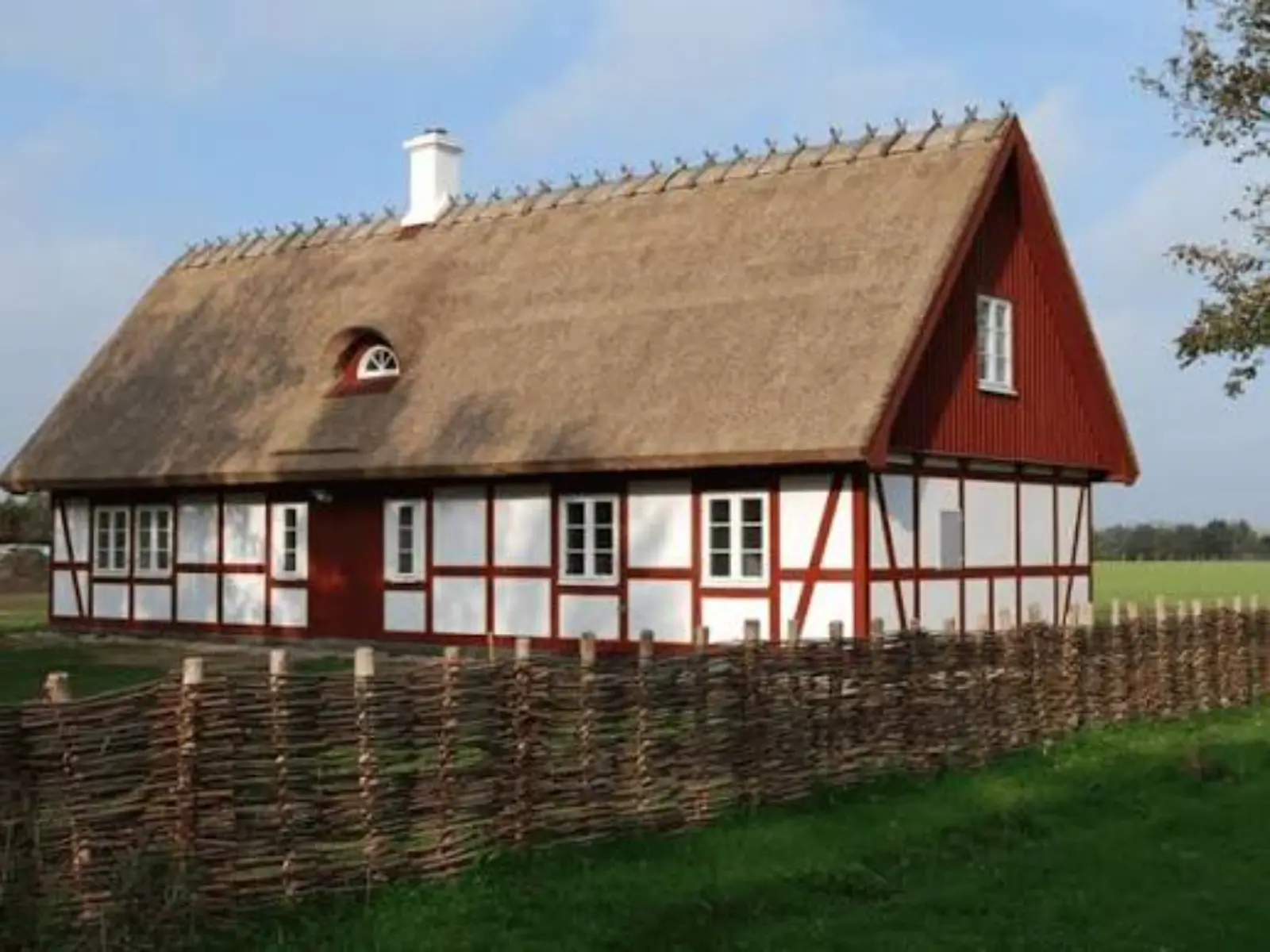
Lower Silesia is a region that for centuries belonged to Bohemia, Austria, and Prussia — and it shows to this day. Lower Silesian villages have a distinctive architecture: houses with Prussian wall (timber frame filled with brick), steep tile roofs, often with dormers. This type of architecture also appears in the Sudetes and in Opole Silesia, but in Lower Silesia it reaches its peak. Add to that palaces and manors — a dense network, because the region was wealthy. Lower Silesian villages are also larger than in eastern Poland — often 300–800 residents — and better connected.
Slow travel through Lower Silesia is a journey through a very diverse landscape: from lowland fields in the north, through hills in the centre, to mountain valleys in the south. Villages in the Sudetes look different from those in the foothills — they are smaller, more scattered, often with terraced buildings on slopes. It is worth exploring this region on foot or by bike, because only then can you see how the village fits into the landscape — something you won't notice from a car.
What to see
Lower Silesian villages are best explored in three clusters: villages in the Sudetes (south), villages in the Sudetic Foreland (centre), and villages in the Silesian Lowland (north). Exploring the region takes 4–5 days.
Villages in the Sudetes
- Sokołowsko village — a village with a 19th-century tuberculosis sanatorium, one of the first in Europe. Worth it for architecture.
- Kowary village — a small town with a mining and weaving tradition. Worth it for history.
- Karpacz village — a resort at the foot of Śnieżka, with the 12th-century wooden Wang church, moved from Norway. Worth it for architecture.
Villages in the Sudetic Foreland
- Krzyżowa village — a village with a palace where the 1989 Mass of Reconciliation took place. Worth it for history.
- Świdnica village — a town with the Baroque Church of Peace, a UNESCO site. Worth it for architecture.
- Jawor village — a town with the second Church of Peace, a UNESCO site. Worth it for architecture.
Villages in the Silesian Lowland
- Henryków village — a village with a Cistercian abbey and the Book of Henryków, one of the oldest monuments of the Polish language. Worth it for history.
- Lubiąż village — a village with a Cistercian abbey, one of the largest Baroque complexes in Europe. Worth it for architecture.
- Trzebnica village — a village with the sanctuary of St Hedwig of Silesia. Worth it for history.
When to go
- May and June — the best time for slow travel. Warm, green, few tourists.
- July–August — warm, but crowded in the Sudetes (Karpacz, Szklarska Poręba).
- September–October — second best. Autumn colours, fewer people, mushroom picking in the forests.
- November–March — villages are sleepy in winter, many attractions closed. Worth it for those seeking silence.
Getting there
- By car: ~30 minutes from Wrocław to most villages in the foreland, ~1.5 hours to the Sudetes (A4 + DK8).
- By train: Wrocław, Jelenia Góra, Wałbrzych have railway stations. Then rent a car or bike.
- By bus: PKS serves most larger villages.
Lower Silesia is best explored by car — villages are scattered over a large area, and public transport between them can be sparse.
How much time you need
A weekend (2 days) is the minimum — Świdnica, Jawor, Krzyżowa.
Three days is realistic for a first visit. Świdnica, Jawor, Krzyżowa, Henryków, Lubiąż.
A week lets you explore the whole region — from the Silesian Lowland to the Sudetes, with numerous stops.
What to eat and where to sleep
- Pierogi with meat — a Lower Silesian classic, available at inns.
- Silesian żurek — rye sour soup with white sausage and egg.
- Silesian kluski — balls of grated potatoes, served with sauce.
- Goat cheeses — from local farms, available in village shops.
- Beer from Lower Silesian breweries — several craft breweries in the region.
Accommodation: Wrocław (city, more options), Jelenia Góra (town, more options), Wałbrzych (town, more options), Świdnica (small town, guesthouses), villages (agritourism, guesthouses).
Practical tips
- Guided tours — Lower Silesia's history is complex, take a guide in Świdnica and Lubiąż.
- Churches of Peace — unique in Europe, UNESCO-listed. Book tickets in advance.
- Shopping — buy honey, cheese, and cold cuts directly from farmers.
- Opening hours — many attractions (palaces, abbeys) open only in season.
- Weather — weather in the Sudetes can be changeable, even in July bring a jacket.
- Signal — good in towns, weaker in the mountains. Have an offline map.