
ARTICLE • October 15, 2026
Tatras beyond Krupówki — valleys, Giewont and Podhale
Everyone knows Zakopane, but the Tatras are not Krupówki. Three days in the valleys, one summit and a Podhale that looks nothing like the promenade — no queues, no rush.
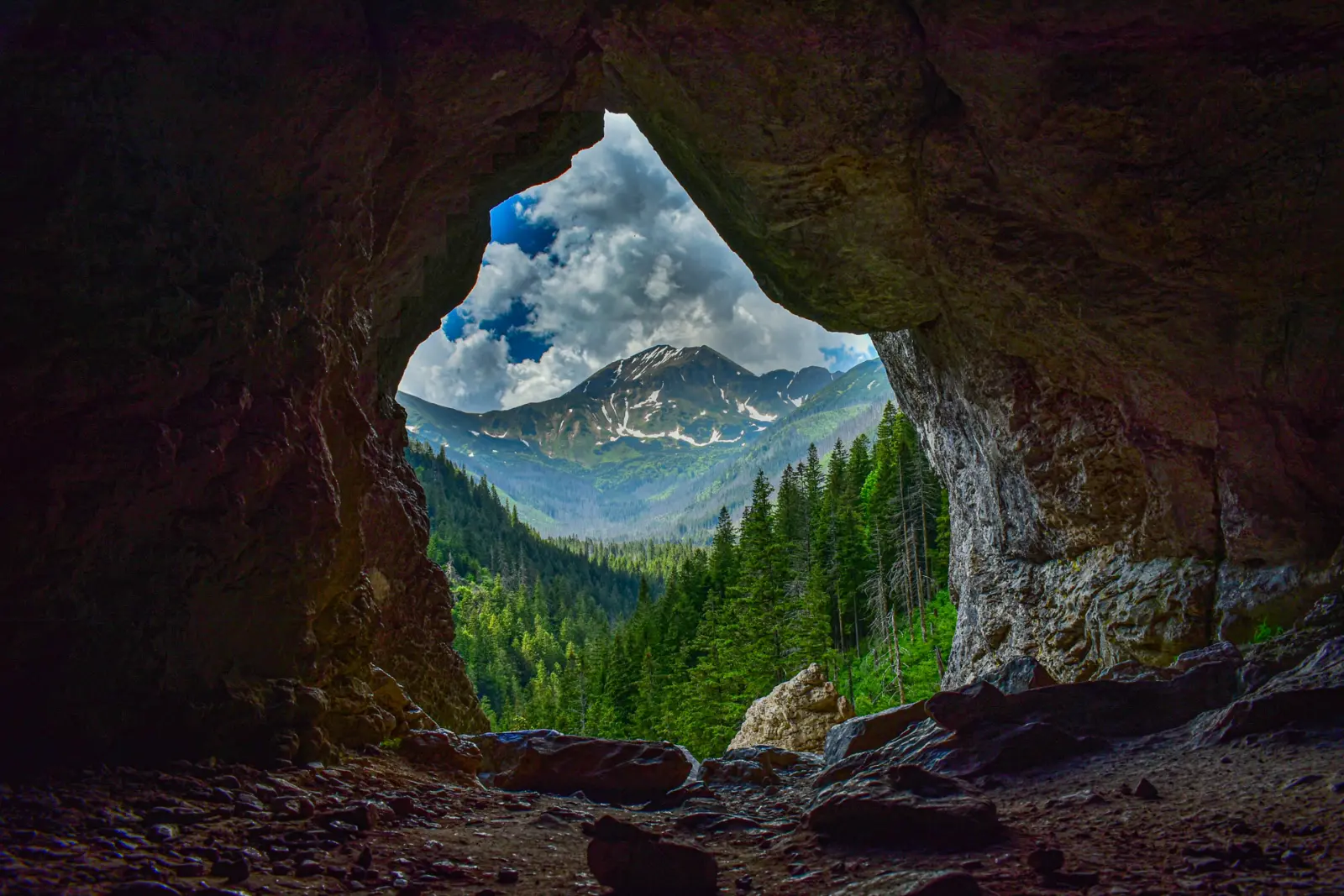
The biggest mistake in planning the Tatras is treating Zakopane as the destination. It is a base — and one worth leaving as soon as possible. Here is a plan where the town is only a starting point.
Dolina Kościeliska — day one
Dolina Kościeliska is one of the longest Tatra valleys and the best place for a first day: the approach is gentle, and there is enough along the way to fill a day without pressure.
On the way you pass the Mroźna Cave (guided), the Kraków gorge — a narrow throat with ladders — and the mountain hut at Ornak. It is a route that lets you feel the Tatras without climbing.
Giewont — day two, with caution
Giewont (1894 m) is the most recognisable summit in Poland thanks to the cross on top. The route from Dolina Strążyska or Kondracka is technically easy but long, and the final part runs on chains over rock.
The most important thing: Giewont is dangerous during thunderstorms. That is not rhetoric — in 2019 people were killed by lightning on this summit. If the forecast mentions storms, change the plan even if the morning is sunny.
Podhale — day three, outside Zakopane
Podhale is more than Zakopane. Go to Chochołów, where wooden houses stand in a row by the road like an open-air museum people still live in. Then Bukowina Tatrzańska, Białka and the hot springs if you want to end the trip in warm water.
It is also a chance to see life outside the season: cheeses, embroidery, workshops and conversations you will not find on the promenade.
Practical
Trains reach Zakopane, and buses run from the station to the valleys. You do not need a car for Giewont or Dolina Kościeliska. Destination pages: Dolina Kościeliska, Giewont, Podhale.
Tatra National Park requires tickets, and trails close in winter. Check the notices before setting out.
When to go
The best time is June–September. July and August are warmest but also the storm season — plan early starts. September weather is more stable and the crowds thinner.