
ARTICLE • September 26, 2026
How to visit a memorial site — a practical guide
Auschwitz, Majdanek, Treblinka, Sobibór. These places are visited differently from castles and museums: without rushing, without a “tick it off” plan, and with respect that continues after you leave.
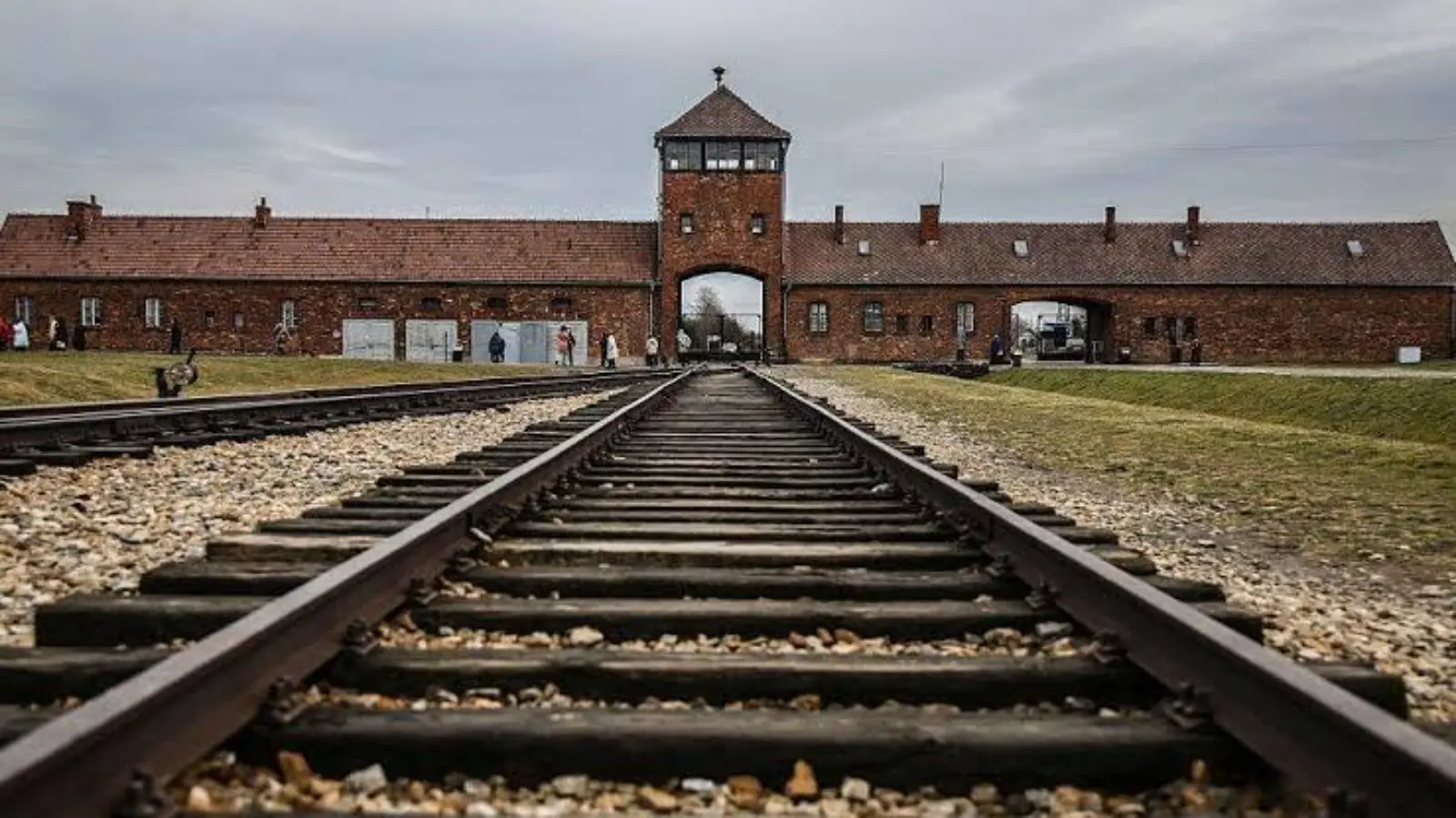
Poland has more than a dozen sites where the Holocaust or mass crimes took place. They are commemorated, open to visitors and — importantly — still function as memorials rather than attractions. Below are practical rules worth knowing before you go. We gather them in one place because this is knowledge you will not find on the signs at the entrance.
Before you go
Read about the place before you travel. Not to prepare for an exam — but so you know what happened and who died before you see the barracks or the stones. Without that, it is easy to look at the site as an “object”.
Check opening hours and entry rules on the museum’s website — they change, and some sites require booking or guided groups. We do not list prices or hours, because they must be confirmed at the source.
A guide: when it matters
At sites with a complex history a guide changes a great deal — especially where buildings did not survive and the story has to carry the place. If you travel alone, consider a guide or an audio guide. If you travel with children, think about age and how you will talk about it; this is not a school trip without preparation.
On site
Silence is expected. Do not eat, drink or smoke on the memorial grounds. Do not photograph people in difficult moments, and photograph with restraint — not everything needs to be captured. Stay on marked routes and do not touch exhibits.
Do not try to “see everything”. At Auschwitz-Birkenau, Majdanek or Stutthof, three to four hours is already a lot; better to stay longer in one place than to run across the whole site.
After you leave
Leave time. Do not go straight to lunch in the city centre and do not post about it within the hour. What you saw needs a moment to settle — and that is part of the visit, not an add-on.
Where to find them
We collect memorial sites in a separate section: Memorial sites. They are not in the weekend calendar or the weather ranking — a deliberate decision. Each page says what you can see, how to visit and how to get there.
What not to do
Do not treat these places as “dark tourism” to collect. Do not take smiling photos “in front of” the site. Do not compare camps like attractions (“this one is better because bigger”). And do not talk about the visit as a box ticked.