ARTICLE • September 20, 2026
When to Visit the Baltic Coast to Avoid the Crowds
July and August are peak season. But the Baltic has other faces — quieter, cheaper, and often more beautiful. Find out when to visit the Polish coast without the crowds.
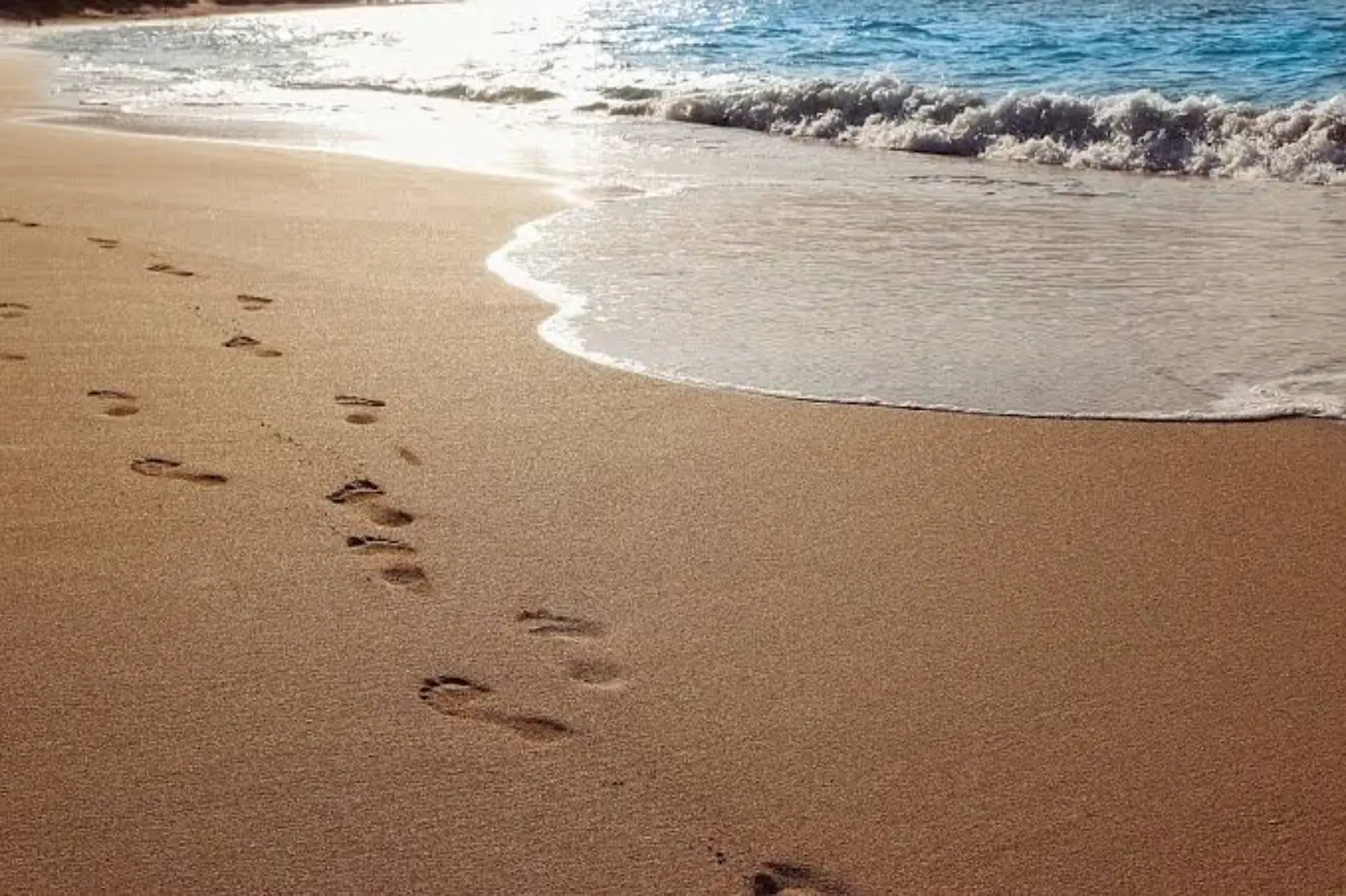
The Polish coast is associated with crowds, windbreaks, and queues at the fish shops. But that is only one face of the Baltic — the one most tourists see when they arrive in July and August. Outside of those two months, the sea shows a completely different face: calm, cheaper, often more beautiful. This guide shows when to visit the Baltic to truly rest — with concrete temperatures, prices, and towns.
September — Golden Polish Autumn
September is the best month to visit the sea. The water is still warm — the Baltic heats up slowly, so the peak water temperature falls around the turn of August and September (up to 18–19°C). The air is crisp, the days are still long, and the crowds disappear after the first week of the month, when the school holidays end. Accommodation prices drop by 30–50% compared to August. The beaches empty out, and the light becomes golden and soft — this is when photographers return to the coast.
September is also when fishermen return with full boats. Fresh fish at the fish shops — flounder, cod, herring — taste completely different than in the middle of the season, when some places work from frozen stock. Worth visiting smaller ports (Dźwirzyno, Chłapowo, Jastarnia) and buying fish directly from the boat.
Practical temperatures: air 16–20°C, water 16–18°C. Swimming for the brave, but a walk in a sweater and rain jacket — perfect.
June — Before the Season
Early June is the second-best moment of the year. Schools have not yet finished, so the beaches are dominated by retirees, families with small children, and foreign tourists — mainly Germans and Czechs. The water is cooler than in September (14–16°C), but for many people that is actually an advantage — fewer crowds at the water’s edge, cleaner beach, calmer sea.
Remember that in June the days are the longest of the whole year. At the latitude of Kołobrzeg, the sun sets only around 21:30–22:00, and dawn breaks at 4:00. This gives plenty of time for evening walks on the pier, cycling trips along the coast, and dinners in gardens overlooking the sea — without pressure that it will soon get dark.
Practical temperatures: air 17–22°C, water 14–16°C. Bring a warmer sweater for the evenings.
May and October — For the Tough
May and October are the months for those seeking solitude who do not mind cooler weather. The beaches are almost empty — in May because of the cold, in October because of the end of the season. Hotels and guesthouses drastically lower prices (even 60% compared to August), and the landscape becomes raw and beautiful: grey sea, empty horizons, seagulls over the dunes.
This is the time for long walks in a jacket, reading books in cafés with a sea view, and contemplation. In October, there is one more attraction — storms. If you like a raw, dramatic sea, this is when the Baltic shows its true face. Waves reach several metres, the water is rough, the wind is strong — a spectacle worth seeing, though of course from a safe distance.
Practical temperatures: air 8–15°C, water 8–13°C. Bring a hat, scarf, and windproof jacket.
Avoid July and August
If you can — avoid July and August. This is the time of the biggest crowds, highest prices, and worst service quality. Restaurants work at maximum capacity, fish shops sell frozen fish, car parks are full, and on the beaches you have to fight for space. Accommodation prices in Sopot, Kołobrzeg, or Międzyzdroje reach 400–600 PLN per night for a standard that costs 150 PLN out of season.
If you must go in the middle of the season, choose smaller towns instead of popular resorts. Instead of Sopot — Dębki, Karwia, Chłapowo. Instead of Kołobrzeg — Dźwirzyno or Gąski. Instead of Międzyzdroje — Wisełka or Międzywodzie. Small towns have the same beach, the same Baltic, and the same sunsets, but far fewer people and lower prices.
Also choose early July instead of the first half of August — the first week of July is still “before the peak”. Many people arrive only after 10 July, so the first days of the month are relatively calm.
Practical Tips
- Book in advance — even out of season, book accommodation 2–3 weeks ahead, especially on weekends.
- Check the weather — the Baltic is capricious. Even in September there can be a week of rain. Have a plan B (museums, cafés, trips inland).
- Bring a jacket — regardless of the month. It is always windy by the sea, and evenings are cool.
- Avoid long weekends — May Day, Corpus Christi, All Saints’ Day are peaks of prices and crowds, even out of season.
- Buy locally — fish directly from the boat, honey from beekeepers, cheese from local farmers. The same slow travel principle we apply across all of Poland.
The Baltic out of season is a completely different journey — closer to slow travel than mass tourism. Worth planning consciously, not by accident.