
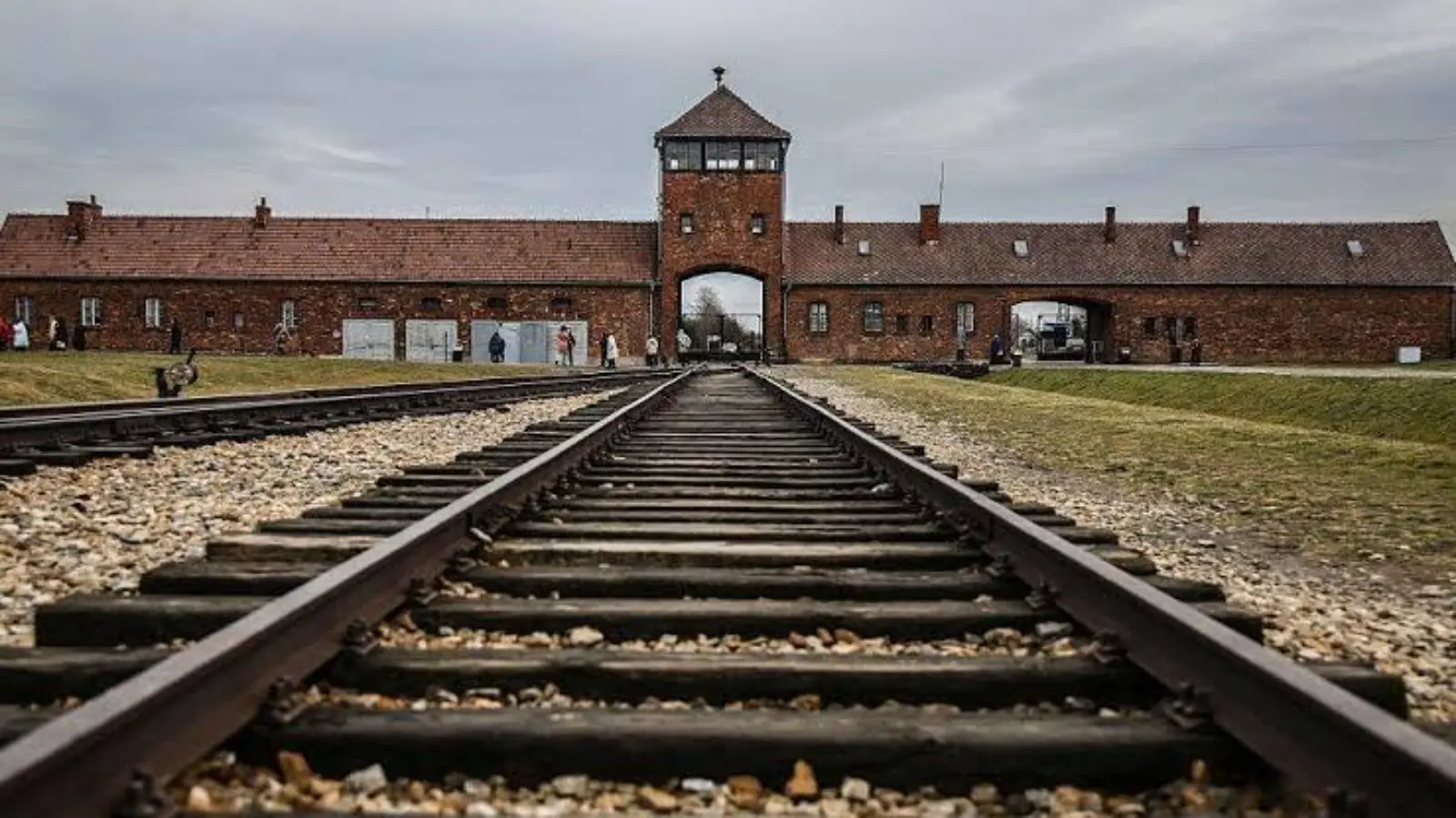
Auschwitz-Birkenau is a place of memory and a museum. A former German Nazi concentration and extermination camp. A visit for memory and education.
Why it's worth it
Auschwitz-Birkenau is not an ordinary tourist attraction — it is a place of memory, a museum, and a warning. It lies in Oświęcim, in the Małopolska voivodeship, about 60 km from Kraków. Between 1940 and 1945, a German Nazi concentration and extermination camp operated here, where over a million people were murdered — mainly Jews, but also Poles, Roma, Soviet prisoners, and other groups. In 1947, a museum was established on the site, and in 1979 the site was inscribed on the UNESCO World Heritage List. A visit to Auschwitz is an experience that changes you — it should be undertaken with respect, reflection, and silence.
Slow travel through Auschwitz is a journey that requires preparation. The site is not easy — it requires time, attention, and emotional readiness. It is worth spending at least half a day here, and preferably a whole day, to truly understand what happened here. Tours take place with a guide (in groups) or individually (with an audio guide). It is worth familiarising yourself with the history before the visit to better understand what you will see.
What to see
Auschwitz-Birkenau is divided into three main parts: Auschwitz I (main camp), Auschwitz II-Birkenau (extermination camp), and Auschwitz III-Monowitz (labour camp). Exploring the site takes at least half a day.
Auschwitz I
- “Arbeit macht frei” gate — the main gate of the camp, with its cynical inscription. Worth it for memory.
- Block 11 — the death block, which housed the camp prison. Worth it for history.
- Death Wall — the execution site, now a place of memory. Worth it for memory.
Auschwitz II-Birkenau
- Ramp — the railway ramp where transports arrived. Worth it for memory.
- Crematoria ruins — the ruins of the crematoria, destroyed by the Germans before retreating. Worth it for memory.
- Barracks — camp barracks where prisoners lived. Worth it for history.
Auschwitz III-Monowitz
- Monowitz — a labour camp where prisoners worked at the IG Farben factory. Worth it for history.
- IG Farben factory — the ruins of the factory where prisoners worked. Worth it for history.
- Death March — the route of the march in which thousands of prisoners died. Worth it for memory.
When to go
- May and June — a good time to visit. Less crowded than in season.
- July–August — peak visiting season. Worth it for school groups, but crowded.
- September–October — a good time to visit. Fewer people, but the weather can be chilly.
- November–March — the best time for individual visits. Less crowded, but cold.
Getting there
- By car: ~1 hour from Kraków (DK79), ~1 hour from Katowice (A4), ~4 hours from Warsaw (S7 + A4).
- By train: Oświęcim has a railway station, with connections from Kraków and Katowice.
- By bus: PKS and private carriers from Kraków.
Auschwitz is best explored on foot — free museum buses run between the camps. Leave the car at the car park in front of the museum.
How much time you need
Half a day is the minimum — Auschwitz I and Auschwitz II-Birkenau.
A full day is realistic for a first visit. Auschwitz I, Auschwitz II-Birkenau, Auschwitz III-Monowitz.
Two days lets you explore the museum fully — with exhibitions, archives, and the grounds.
What to eat and where to sleep
- In the area — Oświęcim has several restaurants and cafés. Worth eating before or after the visit.
- Accommodation: Oświęcim (town, more options), Kraków (city, more options), Kęty (small town, guesthouses).
A visit to Auschwitz is an emotional experience — plan time to rest before and after.
Practical tips
- Booking — entry to the museum is by reservation. Book tickets online in advance.
- Guide — guided tours are mandatory for groups. Choose a language you understand.
- Dress code — a place of memory requires appropriate dress and behaviour. Avoid bright clothing and loud conversations.
- Children — the visit is not recommended for children under 14. Consider whether your child is ready.
- Weather — the museum grounds are extensive, dress appropriately for the weather.
- Emotions — the visit can be emotionally difficult. Give yourself time for reflection.