Kashubia is a land of lakes, embroidery, and the Kashubian language. Kashubian Switzerland, Wdzydze, Kartuzy. Slow travel through Kashubia.
Why it's worth it
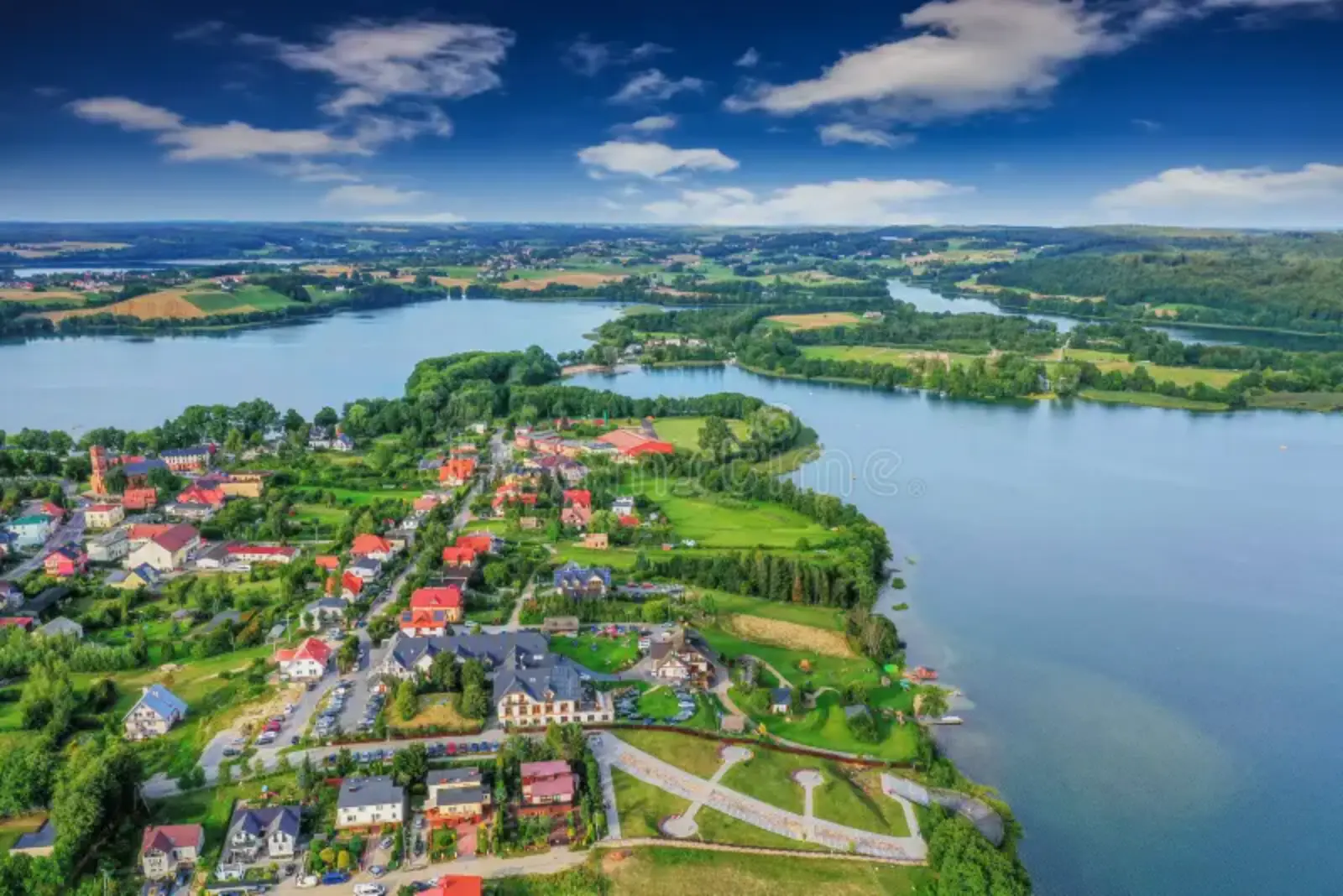
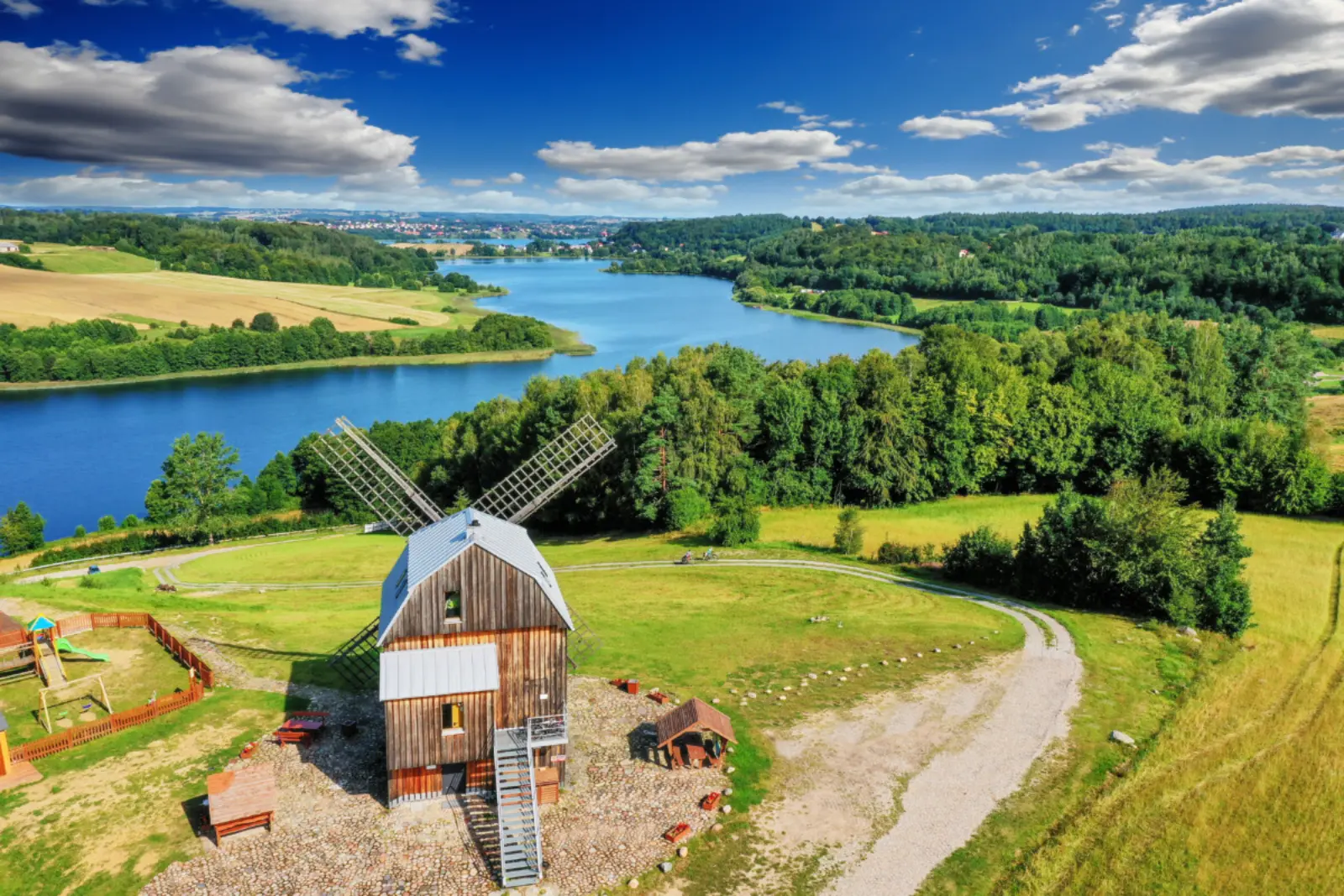
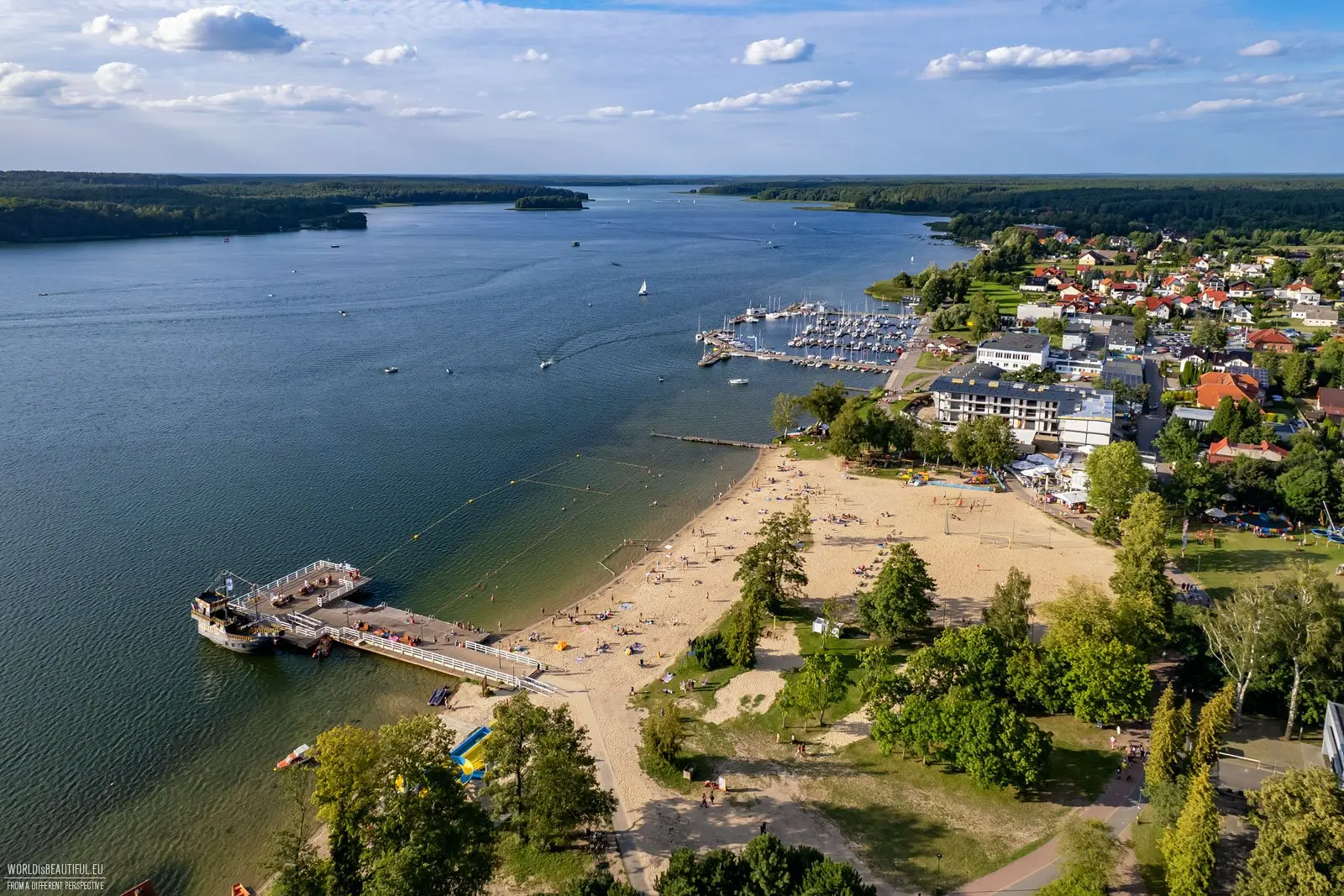
Kashubia is an ethnographic region in northern Poland, in Pomerania, west of Gdańsk. This is the region where the largest ethnic minority in Poland lives — the Kashubians. They speak their own language (Kashubian, recognised as a regional language in 2005), have their own embroidery, their own music, and their own cuisine. Kashubia is also a land of lakes — there are over 500 of them, including the largest in the region: Lake Wdzydze, Lake Raduńskie, Lake Ostrzyckie. The landscape is hilly, with forests and lakes — hence the name “Kashubian Switzerland”.
Slow travel through Kashubia is a journey through a landscape that surprises with its diversity. Kashubia has lakes, forests, hills, villages, and towns — all within a few dozen kilometres. It is worth spending 3–4 days here to truly feel this landscape. The best way to explore Kashubia is by car or bike — there are about 700 km of cycling trails, including the famous trail around Lake Raduńskie. Public transport from Gdańsk and Gdynia is good (trains, buses).
What to see
Kashubia is divided into three main parts: Kashubian Switzerland (centre), Northern Kashubia (coast), and Southern Kashubia (Tuchola Forest). Exploring the region takes 3–4 days.
Kashubian Switzerland
- Kartuzy — a small town with the Kashubian museum and collegiate church. Worth it for culture.
- Lake Ostrzyckie — a lake in Kashubian Switzerland, with numerous harbours. Worth it for kayaking.
- Wieżyca — the highest hill in Kashubia (329 m), with a viewing tower. Worth it for views.
Northern Kashubia
- Wdzydze Kiszewskie — a village with the Kashubian Ethnographic Park, one of the oldest open-air museums in Poland. Worth it for culture.
- Lake Wdzydze — a lake with numerous islands, called the “Kashubian Sea”. Worth it for sailing.
- Chmielno — a village with a Kashubian pottery tradition. Worth it for culture.
Southern Kashubia
- Kościerzyna — a town with a railway museum and a market square. Worth it for architecture.
- Tuchola Forest — extensive pine forests, part of Southern Kashubia. Worth it for mushroom picking.
- Wdzydze Tucholskie village — a village in the Tuchola Forest, with a wooden church. Worth it for the atmosphere.
When to go
- May and June — the best time for slow travel. Warm, green, few tourists.
- July–August — lake and beach season. Worth it for swimming, but crowded in Kashubian Switzerland.
- September–October — second best. Autumn colours, fewer people, mushroom picking in the forests.
- November–March — Kashubia is sleepy in winter, many attractions closed. Worth it for those seeking silence.
Getting there
- By car: ~30 minutes from Gdańsk (DK20), ~40 minutes from Gdynia, ~4 hours from Warsaw (S7).
- By train: Kartuzy, Kościerzyna, Żukowo have railway stations, with connections from Gdańsk and Gdynia.
- By bus: PKS and private carriers serve most towns and villages.
Kashubia is best explored by car or bike — the region is vast, and public transport between villages can be sparse.
How much time you need
A weekend (2 days) is the minimum — Kartuzy, Wdzydze Kiszewskie, Lake Ostrzyckie.
Three days is realistic for a first visit. Kartuzy, Wdzydze Kiszewskie, Lake Ostrzyckie, Chmielno, Wieżyca.
A week lets you explore all of Kashubia — from Gdańsk to the Tuchola Forest, with numerous stops.
What to eat and where to sleep
- Herring in oil — a Kashubian classic, available at fish shops.
- Smoked eel — a delicacy from Kashubian lakes, available at smokehouses.
- Kashubian broth — chicken broth with dried mushrooms, available in local restaurants.
- Golce — the Kashubian version of dumplings, available at village inns.
- Szneki z glancem — sweet yeast buns, available at bakeries in Kartuzy.
Accommodation: Gdańsk (city, more options), Gdynia (city, more options), Kartuzy (small town, guesthouses), Kościerzyna (small town, guesthouses), villages (agritourism).
Practical tips
- Guided tours — Kashubian culture is rich, take a guide in Kartuzy and Wdzydze.
- Kashubian embroidery — seven characteristic colours, each with its own meaning. Pay attention to embroidered products.
- Shopping — buy honey, cheese, and cold cuts directly from farmers.
- Kashubian language — several villages have bilingual signs. Pay attention to Kashubian names.
- Opening hours — many attractions (open-air museum, museums) open only in season.
- Weather — Kashubian weather can be changeable, even in July bring a jacket.
- Signal — good in towns, weaker in villages. Have an offline map.