
ARTICLE • October 15, 2026
Subcarpathian Cuisine — Proziaki, Fuczki, and Hreczanyki
Subcarpathian cuisine is a mix of Polish, Ukrainian, and Lemko traditions. Discover what is worth eating in the Bieszczady and Subcarpathia — from proziaki to San trout, with specific places and prices.
Subcarpathian cuisine is borderland cuisine — Polish, Ukrainian, Lemko, and Boyko influences meet here. This is visible in the dishes: proziaki, fuczki, hreczanyki, pierogi with bryndza. All simple, rural, and deeply filling dishes, based on flour, potatoes, cabbage, and cheese. Subcarpathia is a region that was a mosaic of cultures for centuries — alongside Poles, Lemkos, Boykos, Ukrainians, Jews, and Germans lived here. After World War II, as part of Operation Vistula (1947), most Lemkos and Boykos were deported — what remains are Orthodox churches, cemeteries, and the cuisine that residents and tourists are rediscovering today. Subcarpathian cuisine is one of the most “rural” regional cuisines in Poland — simple, cheap, based on what grew in the garden and the field.
This guide shows 8 dishes you must try in Subcarpathia, and specific places in Rzeszów, the Bieszczady, Przemyśl, and Sanok where you can eat them in an authentic version.
Flatbreads and Bakes
1. Proziaki
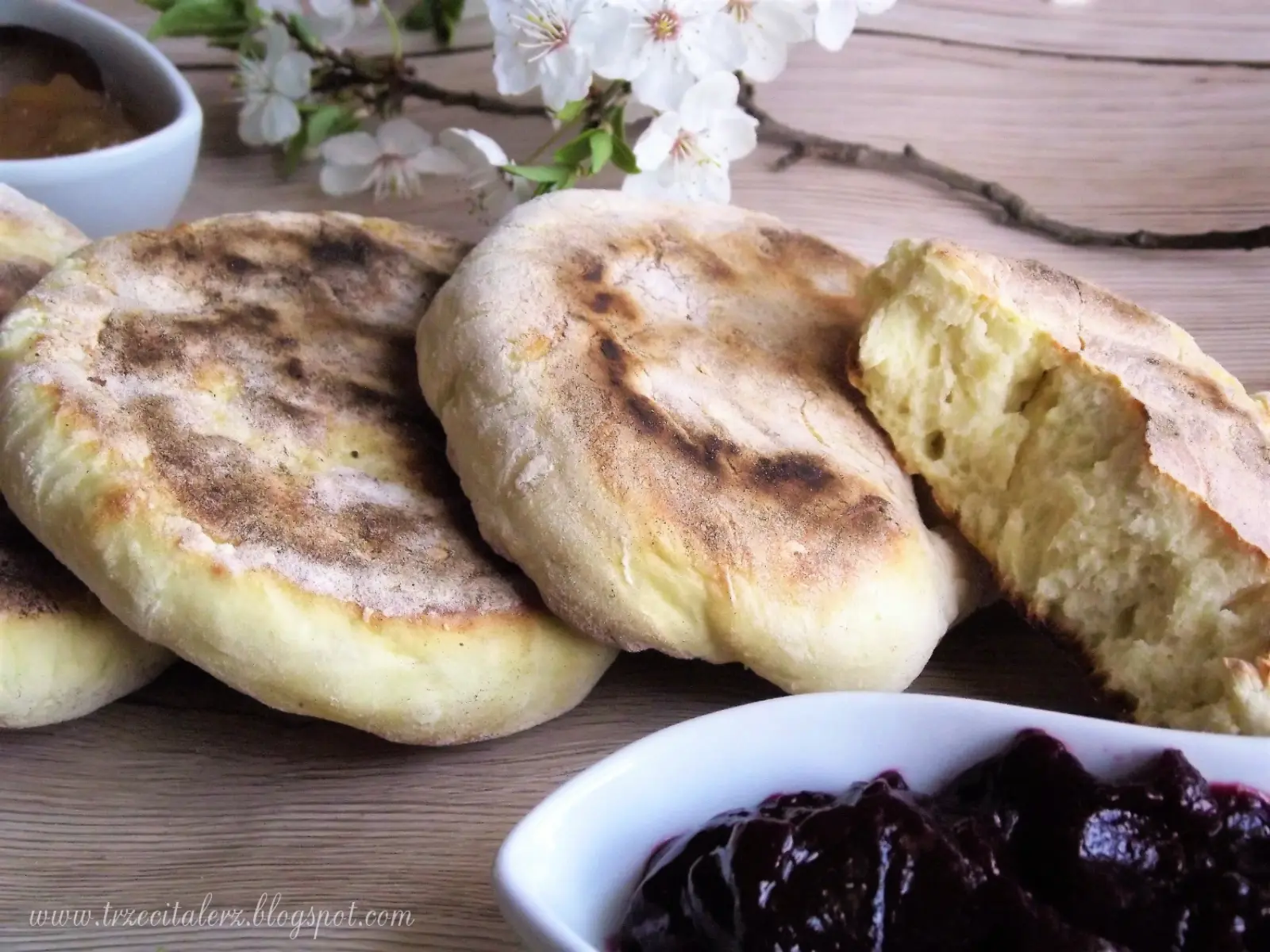
The simplest of Subcarpathian flatbreads — made of flour, sour milk, and baking soda, baked on a sheet. They are served with garlic butter, lard, or curd cheese. In the sweet version — with sugar and cream. A classic of Subcarpathian rural cuisine. Proziaki have a history dating back to the times when there was no yeast in the countryside — instead, baking soda and sour milk were used, which gave flatbreads simpler and faster to make than bread. The name comes from the word “proziak” — a flatbread baked on a sheet (“proz” is an old name for a baking sheet). Proziaki are cheap and filling — for centuries they were the basis of the diet of poorer rural families. Today they are served in taverns and agritourism farms as an appetizer or side for soups.
Price: 10–18 PLN per portion in a tavern, 5–8 PLN per piece at the market. Where: Karczma Pod Bieszczadem (Cisna, ul. Bieszczadzka 12), Bar Mleczny Rzeszów (ul. 3 Maja 15), Market in Rzeszów (Saturday morning), local bakeries in Sanok, Przemyśl.
2. Fuczki
Pancakes with sauerkraut, fried in a pan. A Lemko dish, available in the Bieszczady and Low Beskids. They are served with sour cream or mushroom sauce. Simple, filling, deeply rural. Fuczki is one of those dishes that travelled a long way — from Lemko rural kitchens in the Low Beskids, through post-war displacements, to the Bieszczady, where Lemkos settled after Operation Vistula. The dough for fuczki is made from sauerkraut, flour, eggs, and onion — without meat, which makes it a fasting and vegetarian dish. In Subcarpathia, fuczki is eaten mainly in autumn and winter, when cabbage is already pickled and there are no fresh vegetables at home. They are served with mushroom sauce (from dried porcini) or with sour cream.
Price: 15–25 PLN per portion. Where: Karczma Łemkowska (Zdynia, Low Beskids), Karczma Pod Bieszczadem (Cisna), Chata Bojkowska (Wetlina, ul. Bieszczadzka 3), Bar Mleczny Rzeszów (ul. 3 Maja 15).
3. Hreczanyki
Buckwheat groat pancakes with curd cheese and eggs, fried in a pan. Characteristic of Subcarpathian cuisine — especially in the version with mushroom sauce. A vegetarian dish, deeply rooted in tradition. Hreczanyki is one of those dishes that in Subcarpathia is made from buckwheat groats — popular here for centuries, especially in areas where the soil was poor and wheat grew poorly. Buckwheat groats were cheaper and more filling, so they formed the basis of the diet of poorer families. Hreczanyki differ from ordinary potato pancakes in that they are more crumbly and have a distinct, nutty aftertaste. They are served with mushroom sauce (from dried porcini), with sour cream, or — in the sweet version — with sugar and plums.
Price: 15–25 PLN per portion. Where: Chata Bojkowska (Wetlina), Karczma Pod Bieszczadem (Cisna), Restauracja Stary Młyn (Rzeszów, ul. Lwowska 64).
Pierogi
4. Pierogi with Bryndza
Delicate pierogi with sheep cheese — a specialty of the Polish-Ukrainian borderland. They are served with cracklings or sour cream. Bryndza gives them a characteristic, slightly salty flavour. Pierogi with bryndza came to Subcarpathia with Ukrainian and Lemko settlers who arrived here after 1947 as part of Operation Vistula. Bryndza is a sheep cheese produced in the Eastern Carpathians — in Subcarpathia it is now made in several shepherd's huts, mainly in the Bieszczady. The dough for pierogi is thin, the filling creamy, with a distinct note of sheep cheese. They are served with bacon cracklings, with onion, or with sour cream. In the restaurant version, they are sometimes served with cranberry or mushroom sauce.
Price: 20–30 PLN per portion (8–10 pieces). Where: Karczma Pod Bieszczadem (Cisna), Chata Bojkowska (Wetlina), Restauracja Stary Młyn (Rzeszów), Bar Mleczny Rzeszów (ul. 3 Maja 15).
5. Pierogi with Cabbage and Mushrooms
Traditional pierogi, which in Subcarpathia have their own specificity — the filling is more spicy, with marjoram and pepper. They are served at Christmas Eve, weddings, and family celebrations. The filling is made from sauerkraut and dried mushrooms (usually porcini or bay bolete), seasoned with marjoram, pepper, and onion. In the Subcarpathian version, buckwheat groats are sometimes added, which gives the pierogi a more “earthy” character — a trace of rural cuisine, in which groats were cheaper than meat. They are served with cracklings, onion, or sour cream. This is a dish that in Subcarpathia is eaten not only at Christmas Eve — it is served in taverns all year round.
Price: 18–28 PLN per portion. Where: Karczma Pod Bieszczadem (Cisna), Restauracja Stary Młyn (Rzeszów), Karczma Łemkowska (Zdynia).
Soups
6. Sauerkraut Soup
Sour soup based on sauerkraut with meat, dried mushrooms, and sour cream. It warms and fills — perfect for cold days. In the Subcarpathian version — with barley or millet groats, which makes it even more filling. Sauerkraut soup is one of those dishes that in Subcarpathia is eaten all year round — but it is best in autumn and winter, when cabbage is already pickled and there are no fresh vegetables at home. In the rural version, potatoes are added, which makes it a full meal. In the restaurant version, it is sometimes served with croutons or bread. Note that sauerkraut in Subcarpathia is often homemade, with horseradish, garlic, and carrots — this gives it a deeper flavour than shop-bought.
Price: 12–20 PLN per bowl. Where: Bar Mleczny Rzeszów (ul. 3 Maja 15), Karczma Pod Bieszczadem (Cisna), Karczma Łemkowska (Zdynia).
7. Subcarpathian Kwaśnica
Sour soup based on sauerkraut with meat — a variant similar to the Podhale version, but with its own specificity. In the Subcarpathian version — with dried mushrooms and juniper, which give the soup a deeper, forest aroma. Kwaśnica in Subcarpathia has its own specificity: it is less “meaty” than the Podhale version, and more “cabbage-based” — thanks to the poorer culinary tradition of the region, in which cabbage played a greater role than meat. The addition of juniper is, in turn, a trace of Lemko and Boyko cuisine — juniper grew wild in Subcarpathian meadows and was used to season meats and soups. Subcarpathian kwaśnica is served with bread or with potatoes — in the rural version with boiled potatoes.
Price: 15–25 PLN per bowl. Where: Karczma Pod Bieszczadem (Cisna), Chata Bojkowska (Wetlina), Karczma Łemkowska (Zdynia).
Fish
8. San Trout
Trout farmed in local farms in the San valley. Fresh, grilled or from the grate, with horseradish and lemon. One of the best dishes you can eat in the region. The San valley is a region where trout farming has a long tradition — clean rivers and streams (San, Solinka, Wetlinka) and a cool climate favour farming. In fish farms around Sanok, Lesko, and Ustrzyki Dolne, trout are farmed in ponds and cages, then sold to local smokehouses and restaurants. San trout is served in several ways: grilled, smoked, fried in butter, even in jelly. The best, however, is fresh, straight from the grate, with horseradish and lemon. In the Bieszczady version — with the addition of mountain herbs and boiled potatoes.
Price: 35–55 PLN per portion (1 trout with sides). Where: Gospodarstwo Rybackie San (Sanok, ul. Białogórska 12), Smażalnia Pstrąga Bieszczady (Ustrzyki Dolne, ul. 1 Maja 18), Karczma Pod Bieszczadem (Cisna).
Where to Eat — Specific Places
Rzeszów (centre and Staromieście):
- Restauracja Stary Młyn (ul. Lwowska 64) — Subcarpathian cuisine in a modern version, hreczanyki, pierogi with bryndza.
- Bar Mleczny Rzeszów (ul. 3 Maja 15) — a milk bar with regional classics, proziaki, żur.
- Karczma Wacław (ul. Hetmańska 12) — home-style Subcarpathian cuisine, żurek, pierogi.
Bieszczady (Cisna, Wetlina, Ustrzyki Górne):
- Karczma Pod Bieszczadem (Cisna, ul. Bieszczadzka 12) — a classic of Bieszczady cuisine, fuczki, proziaki, pierogi with bryndza.
- Chata Bojkowska (Wetlina, ul. Bieszczadzka 3) — home-style Boyko cuisine, hreczanyki, kwaśnica.
- Karczma in Ustrzyki Górne — San trout, pierogi, żur.
Przemyśl, Sanok, Lesko:
- Restauracja Karpacka (Przemyśl, Rynek 18) — borderland cuisine, pierogi with bryndza, sauerkraut soup.
- Gospodarstwo Rybackie San (Sanok, ul. Białogórska 12) — fresh farmed trout.
- Karczma Łemkowska in Zdynia (Low Beskids) — fuczki, kwaśnica, proziaki.
Practical Tips
- Proziaki are best fresh — buy them at the market in Rzeszów in the morning (Saturday, until 1 PM). By afternoon they are stale.
- Order San trout at fish farms, not at restaurants in the centre — there the fish is more expensive and often frozen.
- Pierogi with bryndza are best in taverns in the Bieszczady — not in elegant restaurants in Rzeszów.
- Fuczki and hreczanyki are rural dishes — best in agritourism farms and small taverns, not in restaurants on market squares.
- Subcarpathian kwaśnica is less meaty than the Podhale version — if you like more expressive versions, choose the one from the Bieszczady.
- In the summer season (July–August) in the Bieszczady it is crowded — on weekends it is worth booking a table in taverns in advance.
Summary
Subcarpathian cuisine is borderland cuisine — Polish, Ukrainian, Lemko, and Boyko traditions meet on one plate. Simple, rural, deeply filling. Instead of fashionable dishes, you will find classics here: proziaki, fuczki, hreczanyki, pierogi with bryndza, San trout. Plan your trip to Subcarpathia to try at least five of the eight dishes — and preferably eat them in taverns in the Bieszczady and agritourism farms, where the cuisine is still home-style, not touristy. If you like borderland regions, also check our pages on Lublin cuisine and Podlasie cuisine — the cuisine looks similar there, but with its own accents.