
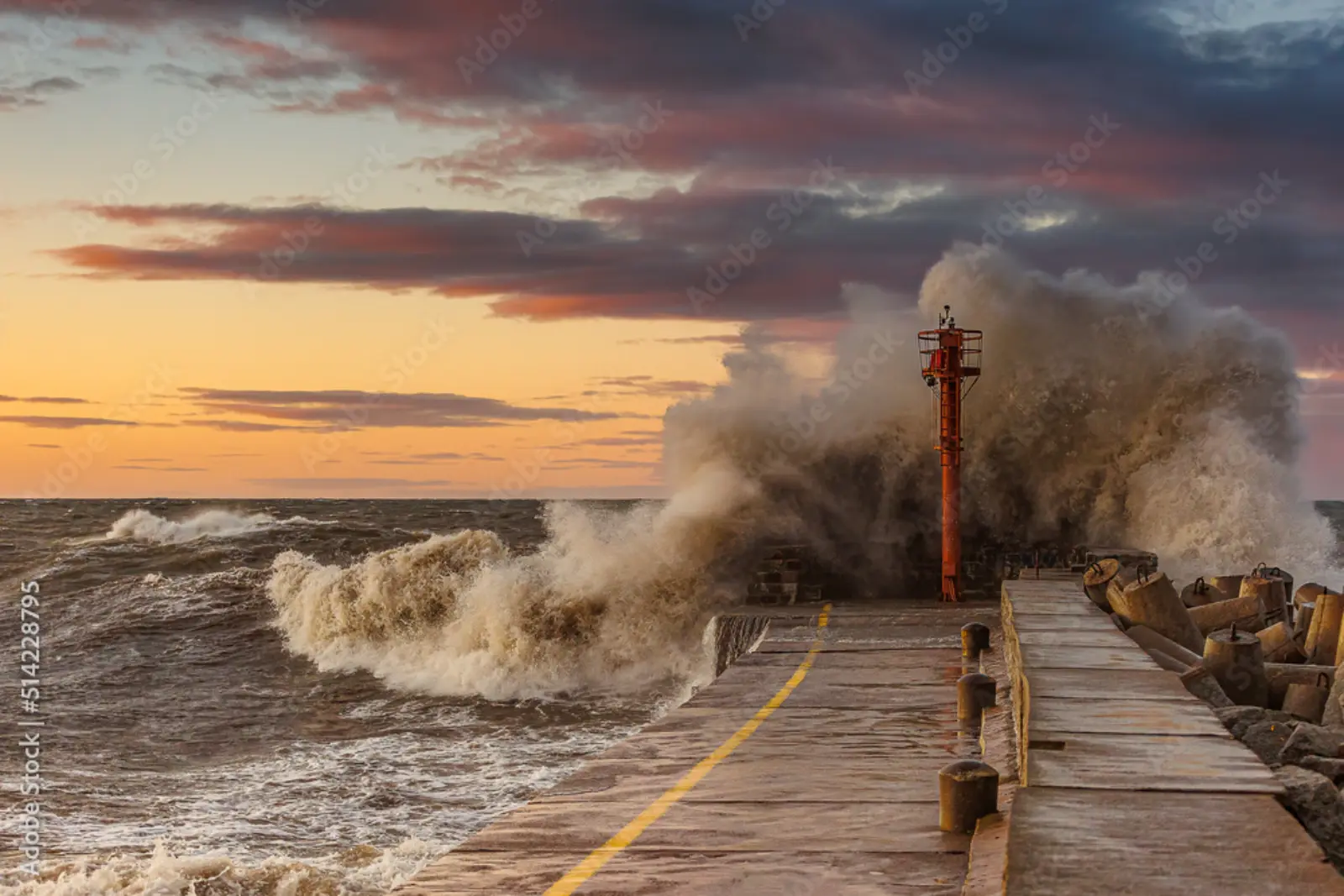
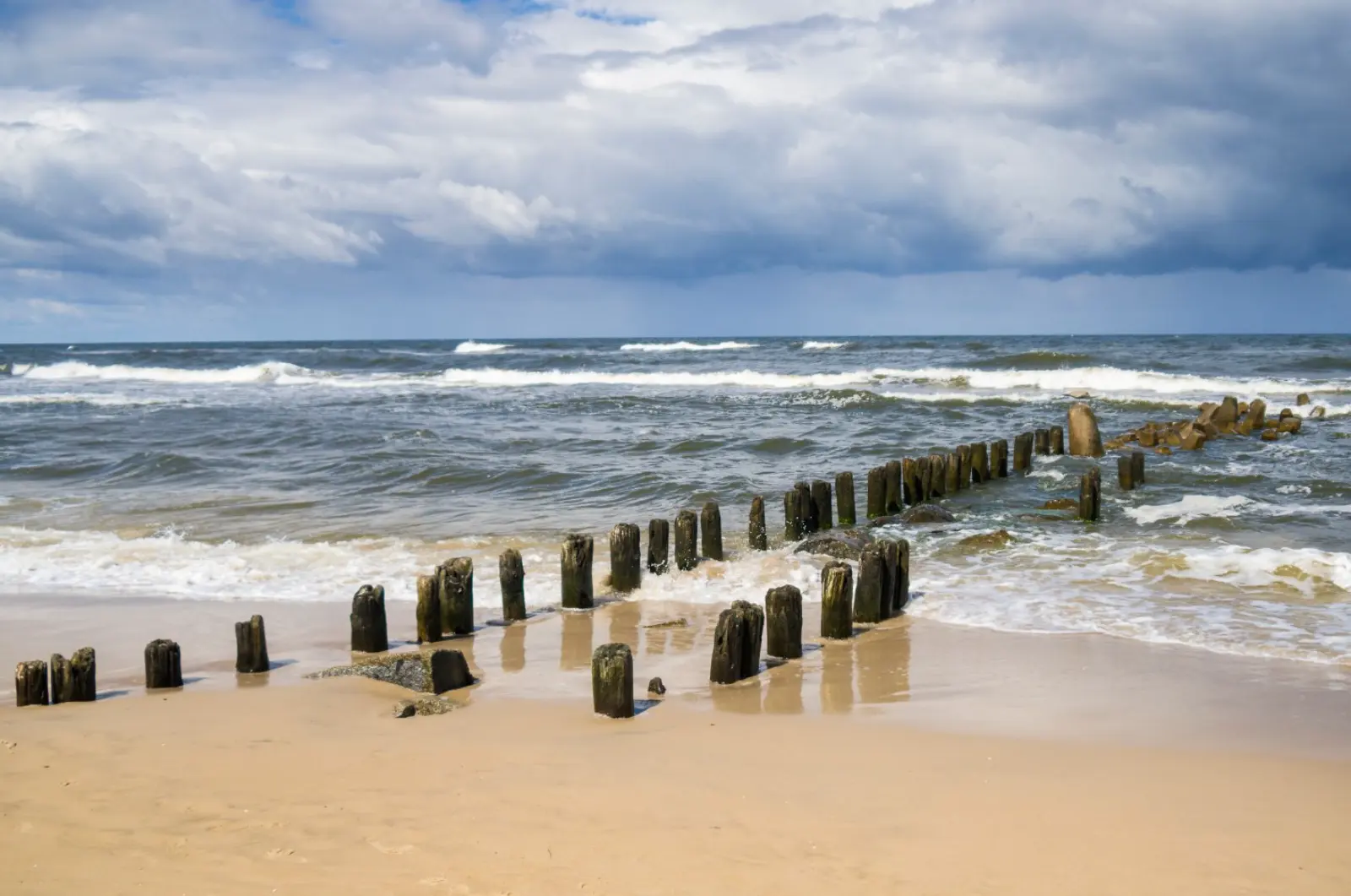
A seaside retreat featuring a historic lighthouse, sandy promenades, and calm coastal vibes. Slow travel through Ustka — a harbour of peace on the Baltic.
Why Ustka, differently
Ustka is a town that has retained its fishing character, offering guests what they seek most — an escape from the bustle of large resorts. It is a place where the rhythm of the day is set by the tide and the return of cutters to the port. There are no skyscrapers or loud promenades here — there are narrow streets, wooden fishing cottages, a harbour and a beach.
Slow travel through Ustka is a celebration of details. A walk along the western beach, toward the wild shores, is a ritual of cleansing. As the sand creaks underfoot and the wind blows away your thoughts, you can feel body and mind entering a state of deep relaxation that cannot be planned in a calendar. This is a land that rewards those who slow down.
What to see
Ustka splits into several parts: the centre (with the harbour and promenade), the eastern and western beaches, districts with the lighthouse and church. One to two days are enough to see it.
Lighthouse and harbour
- Ustka Lighthouse — from the 19th century, one of the oldest on the Polish coast. Worth climbing to the top — a view over the whole town, harbour and sea. Best view at sunset.
- Fishing harbour in Ustka — cutters, nets, fishermen at work. Worth seeing in the morning when they return from fishing. You can buy fresh fish straight from the cutter here.
- Harbour promenade — a promenade along the harbour and sea, with numerous cafés and restaurants. Worth a walk at any time of day.
- Museum of the Ustka Land — an exhibition about the town's history and fishing. Worth it for understanding the context.
Beaches and promenades
- Eastern beach — the main beach of Ustka, wide and sandy, lifeguarded in season. Look for less crowded sections — east of the centre.
- Western beach — smaller, quieter, with a view of the harbour. Worth it for lesser-known views.
- Coastal promenade — a promenade along the sea, with benches and viewpoints. Worth a walk at sunset.
- Harbour boulevard — a boulevard along the harbour, with a view over cutters and the sea. Worth a walk.
Monuments and lesser-known corners
- Church of the Holy Saviour — a Neo-Gothic temple from the 19th century, one of the most important monuments of Ustka. Worth seeing from the outside and visiting the interior.
- Ustka Town Hall — a 19th-century building, in the town centre. Worth seeing from the outside.
- Former fishing settlement — remnants of wooden fishing architecture, present in some parts of the town. Worth it for the atmosphere.
- Ravine and coastal paths — paths along the cliff and coastal forest, west of Ustka. Worth a walk and contact with nature.
- North Park and West Park — two parks in the town centre, with alleys and old trees. Worth a walk.
Surroundings (day trips)
- Słupsk — a town with a historic old town and castle, ~20 km from Ustka. Worth it for architecture and history.
- Dębina — a small coastal settlement, ~10 km from Ustka. Worth it for wild beaches and silence.
- Rowokół — a moraine hill, ~15 km from Ustka, with a viewpoint over the area.
- Kluki and Smołdzino — villages in Słowiński NP, ~30 km from Ustka. Worth it for Slovincian culture.
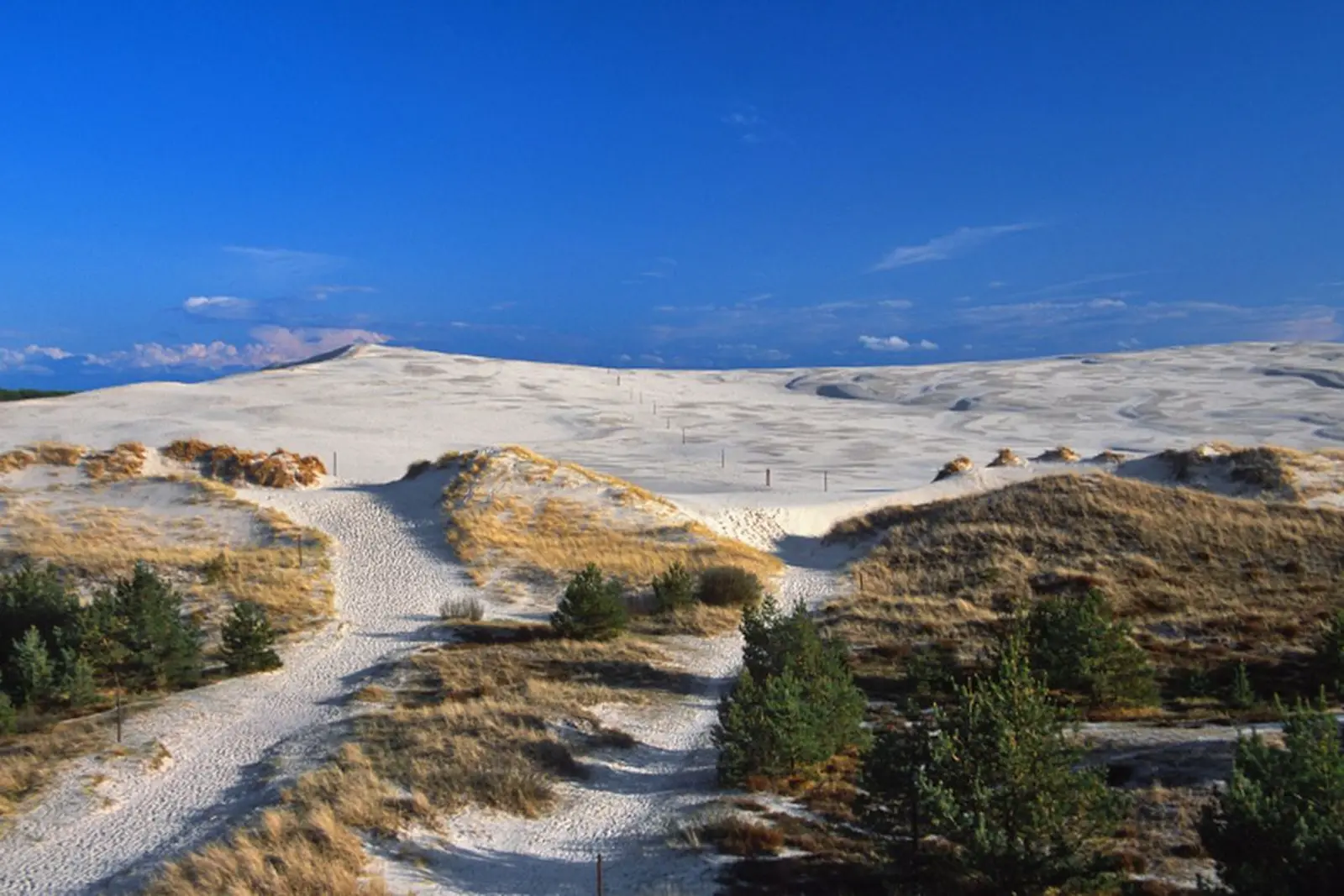
- Łeba — a town with shifting dunes, ~40 km from Ustka. Worth a day trip.
When to go
- May and June — the best time for slow travel. Fewer tourists, long days, beaches almost empty. Weather can be capricious, but evenings stay light until 10 p.m.
- July and August — peak season. Ustka crowded, prices high, but all attractions open. Come on a weekday.
- September — second best. Warm sea, fewer crowds, autumn colours over the sea.
- October and November — end of the season, but the town is quiet and beautiful. Worth it for those who seek solitude.
- Winter — Ustka in winter can be harsh, but empty. Worth it for those who want to see the sea without crowds.
Getting there
- By car: ~20 minutes from Słupsk (DW210), ~2 hours from Gdańsk (S6 and DW210), ~3 hours from Szczecin (S6 and DW210).
- By train: station in Ustka, with direct connections from Słupsk (~20 minutes), Gdańsk (~2 hours), Warsaw (~5 hours).
- By bus: PKS and private operators from Słupsk, Gdańsk and other cities.
Within Ustka, the centre is compact and most sights are within walking distance. To reach wild beaches west of the town, walk or bike.
How much time you need
A weekend (2 days) is the minimum — lighthouse, harbour, beach, a walk along the promenade.
Three days is realistic for a first visit. One day for the town itself, one for the beach and cliffs, one for a trip (Słupsk, Dębina or Łeba).
A week lets you explore the whole region — Ustka, Słupsk, Dębina, Rowokół, Słowiński NP and Łeba.
What to eat and where to sleep
- Baltic fish — herring, flounder, cod, smoked salmon. Best in small fry shops at the harbour.
- Herring in oil — a coastal cuisine classic, available at every fish shop.
- Smoked eel — a regional delicacy, available at smokehouses in Ustka and surroundings.
- Kashubian cuisine — in the region, try ruchanki, kiszka z kaszy i krwi.
- Beer from local breweries — several craft breweries in the region (Browar Ustka).
- Coffee and cake — Ustka has several good cafés, ideal for a break.
Accommodation: Ustka centre (largest choice, but expensive), districts by the beach (closer to the sea), surroundings of Ustka (agritourism, silence), Słupsk (~20 km, more options). Book ahead in summer season (2–3 weeks).
Practical tips
- Bookings — hotels and guesthouses in season (July–August) must be booked 2–3 weeks ahead. Off-season — on the spot.
- Lighthouse — lighthouse entry is paid. Go in the morning or evening to avoid crowds.
- Weather — by the sea, it changes quickly. Even in July, bring a windproof jacket and hat.
- Beaches — the eastern beach is crowded in season. Look for lesser-known sections — west of the town, towards Dębina.
- Fish — buy fresh fish directly at the fishing harbour. Ask about cutters that have returned from fishing.
- Parking — the centre has a paid parking zone, spaces are hard to find. Large car parks at the beach and harbour.
- Signal — good throughout the centre, weaker on wild beaches.