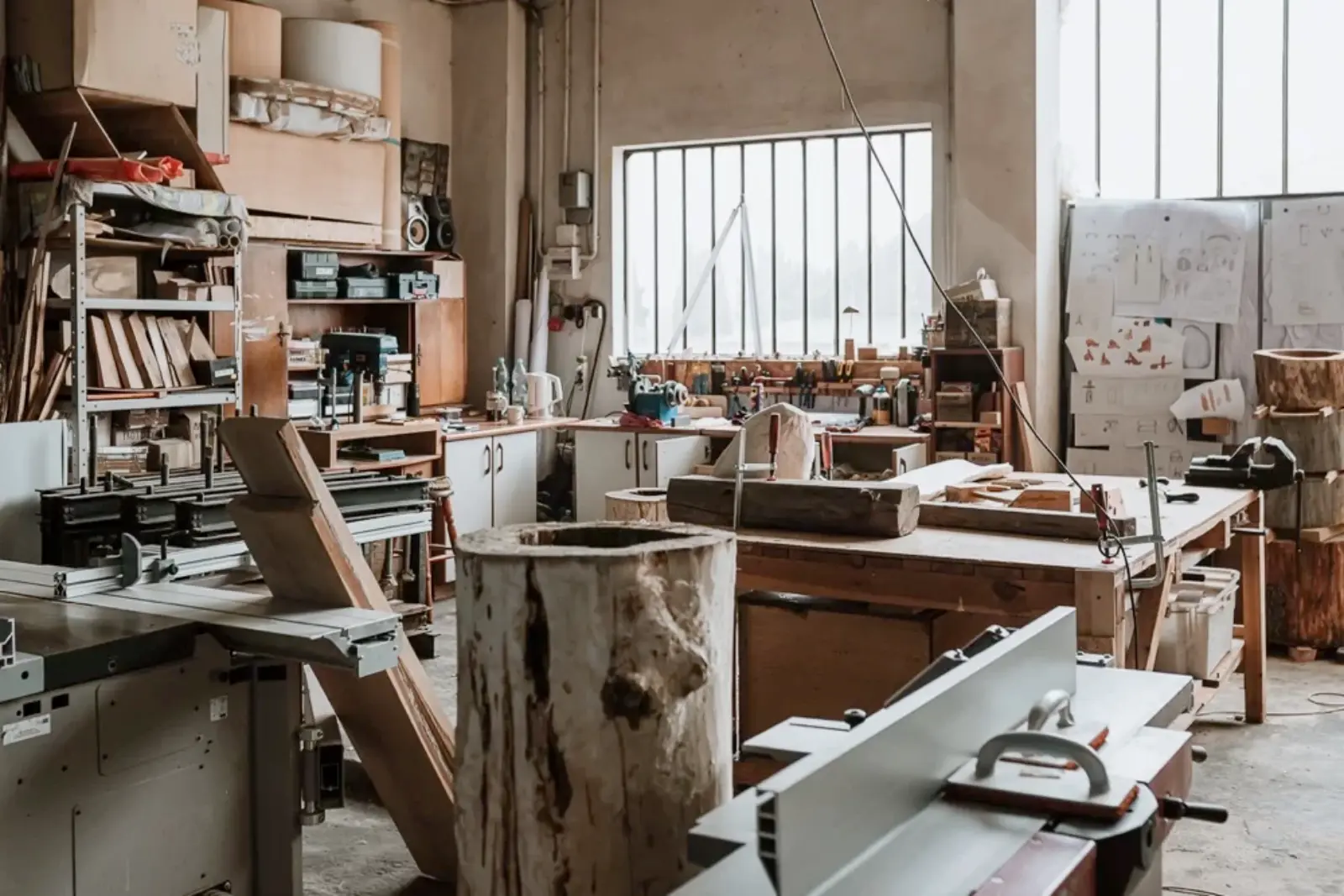
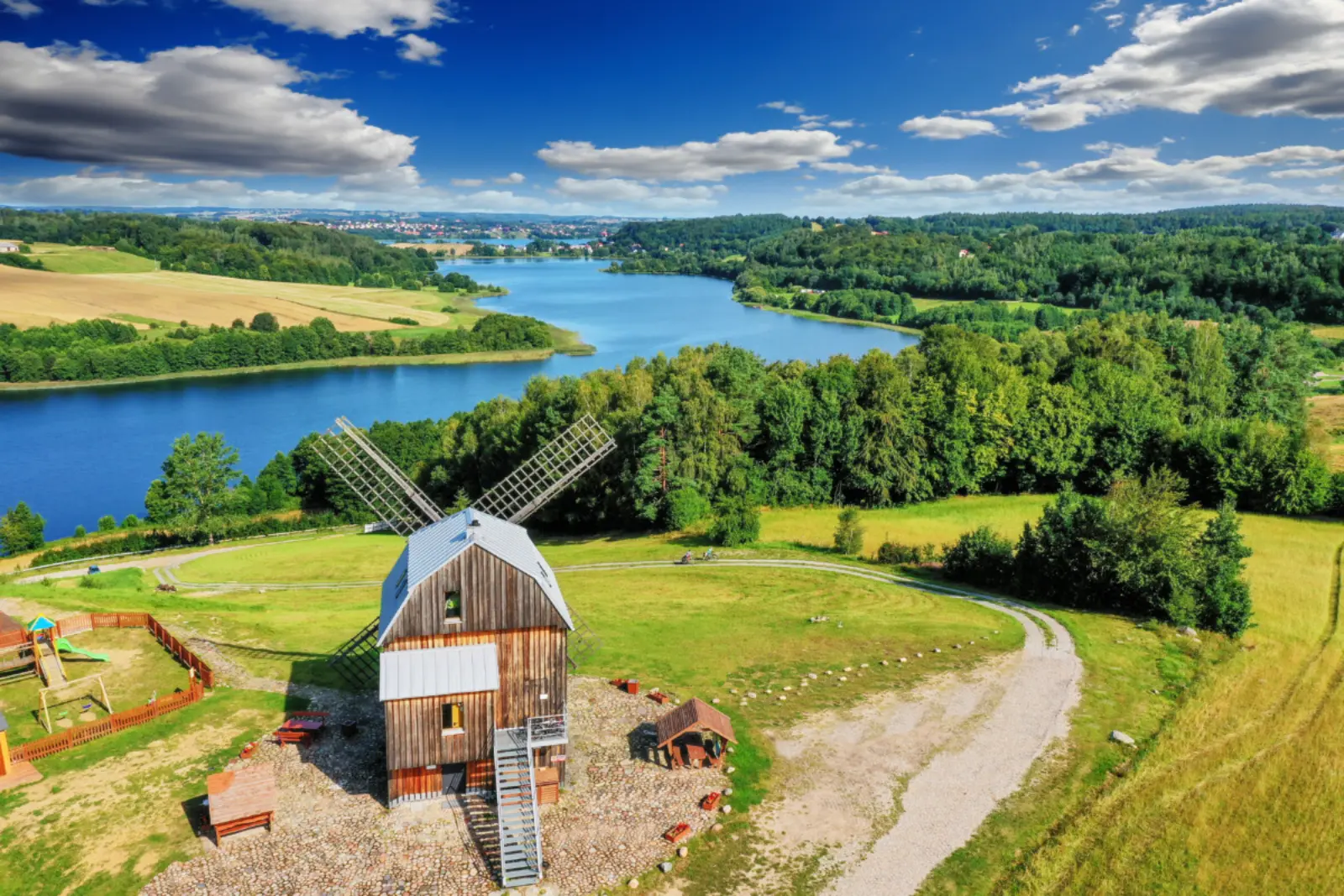
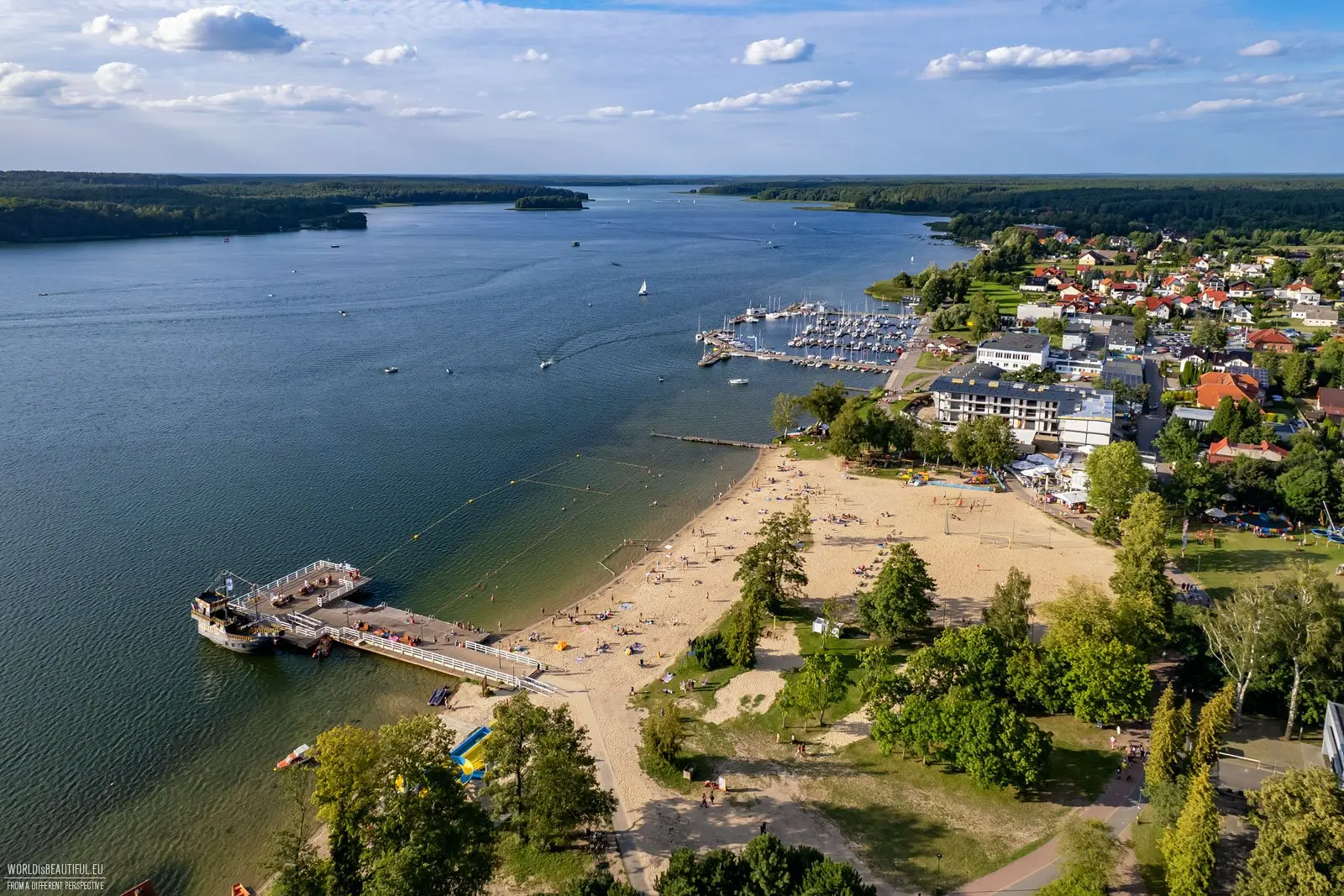
A route through craft workshops, ateliers, and manufactories — from Kashubian embroidery to Podhale wood carving. Slow travel along the Polish Craft Trail.
Why the Polish Craft Trail, differently
The Polish Craft Trail is a proposal for those who want to see how things made by hand are created — without machines, without factories, without haste. Craft in Poland is still alive, though in many places it is the last moment to see it in practice. It is a trail that combines tradition with modernity, showing that handmade things have a value that cannot be replaced by mass production.
Slow travel along the Craft Trail is a celebration of details. Instead of rushing from workshop to workshop, stop in one longer — talk to the craftsman, see the process, try it yourself. Each craft has its own history, its own techniques, its own secrets. Ask, learn, try. This is a journey that rewards those who slow down — the longer you are in one place, the more you can truly understand.
What to see
The Craft Trail splits into several sections: Pomerania (Kashubian embroidery, amber), Podhale (wood carving, lace), Podlasie (paper cutouts, weaving), Kurpie (paper cutouts, sculpture), Silesia (porcelain, glass), Lesser Poland (pottery, lace). Riding the whole route takes 5–7 days.
Pomerania and Kashubia
- Kashubian embroidery — colorful patterns (seven characteristic colors) decorate not only folk costumes today but also everyday objects. Workshops in Żukowo and other towns.
- Amber craft — Gdańsk is the capital of Polish amber. Amber workshops offer courses and sell their own products.
- Kashubian pottery — traditional clay products, including characteristic vessels with Kashubian patterns.
- Artistic blacksmithing — blacksmith workshops in the region, producing artistic and utility items.
Podhale and Lesser Poland
- Wood carving — traditional Podhale craft, including sculpture and utility items. Workshops in Zakopane and surroundings.
- Bobbin lace — traditional lace craft, including the famous Koniaków lace. Workshops in Koniaków and Istebna.
- Pottery — traditional clay products, including characteristic vessels from the region. Workshops in Medynia Głogowska and other towns.
- Wool products — traditional sheep craft, including felting and wool clothing.
- Artistic glass — glass workshops in the region, producing artistic and utility items.
Podlasie, Kurpie and Silesia
- Kurpie paper cutouts — colorful paper compositions (flowers, birds, genre scenes). Workshops in Kadzidło and surroundings.
- Wood sculpture — traditional Kurpie craft, including folk saints, shrines, figures of saints.
- Weaving — traditional weaving craft, including famous Łowicz striped fabrics. Workshops in Łowicz and surroundings.
- Silesian porcelain — porcelain manufactories in Katowice and surroundings. Worth seeing the production process.
- Silesian glass — glassworks in the region, producing artistic and utility items.
- Silesian kołocz — traditional yeast cake, baked according to regional recipes.
When to go
- April–June — the best time for slow travel. Fewer tourists, long days, stable weather. Worth it for workshops.
- July–September — season for craft festivals and fairs. Worth it for cultural events.
- September–October — second best. Autumn colours, fewer people. Worth it for fairs.
- November–March — season for Christmas markets and workshops in ateliers. Worth it for handmade gifts.
Getting there
The Craft Trail runs through the whole country — you can start anywhere. Best to travel by car or train, connecting several regions in one trip.
- By train: main cities of the regions (Gdańsk, Zakopane, Białystok, Łomża, Katowice, Kraków) have railway stations, with connections from most Polish cities.
- By car: the trail runs through main national roads. Plan the route to connect several regions.
- By bus: PKS and private operators serve most towns on the route.
How much time you need
A weekend (2 days) is the minimum — one craft region (e.g. Pomerania, Podhale or Kurpie).
A week is realistic for a first visit. You can see 3–4 craft regions, trying local crafts and taking part in workshops.
Two weeks is time for the whole trail — all craft regions of Poland. This is a big challenge, but satisfying.
Three weeks — if you want to travel truly slow, with numerous workshops and sightseeing.
What to eat and where to sleep
The Craft Trail connects with regional cuisine — try local dishes in inns and agritourism farms.
- Regional cuisine — in each region you can try local dishes: oscypek (Podhale), Kashubian embroidery (Pomerania), gingerbread (Kuyavia).
- Sheep cheeses — oscypek, bryndza, bundz, available at shepherd huts in mountain regions.
- Beer from local breweries — several craft breweries in each region.
- Coffee and cake — every larger town on the route has several good cafés.
- Local products — cheeses, honey, cold cuts, available at agritourism farms and regional shops.
Accommodation: guesthouses and hotels in towns on the route, agritourism farms in villages (quiet, home-cooked food), palaces and manor houses (for those seeking a unique place), craft workshops (some offer accommodation).
Practical tips
- Workshops — sign up for workshops in advance. Many workshops have a limited number of places, especially in the summer season.
- Guided tours — in selected workshops, take a guide who will talk about the history and techniques of the craft.
- Shopping — buy directly from craftsmen. It is not only a souvenir but also support for vanishing trades.
- Opening hours — many workshops are open only on selected days. Check hours before your trip.
- Weather — Polish weather can be changeable. Even in July, bring a rain jacket.
- Transport — Polish trains have bike carriages. Use them if you want to transport bikes between stages.
- Signal — good in towns, weaker in villages. Have an offline map.